Smoke Glass Mud Grass

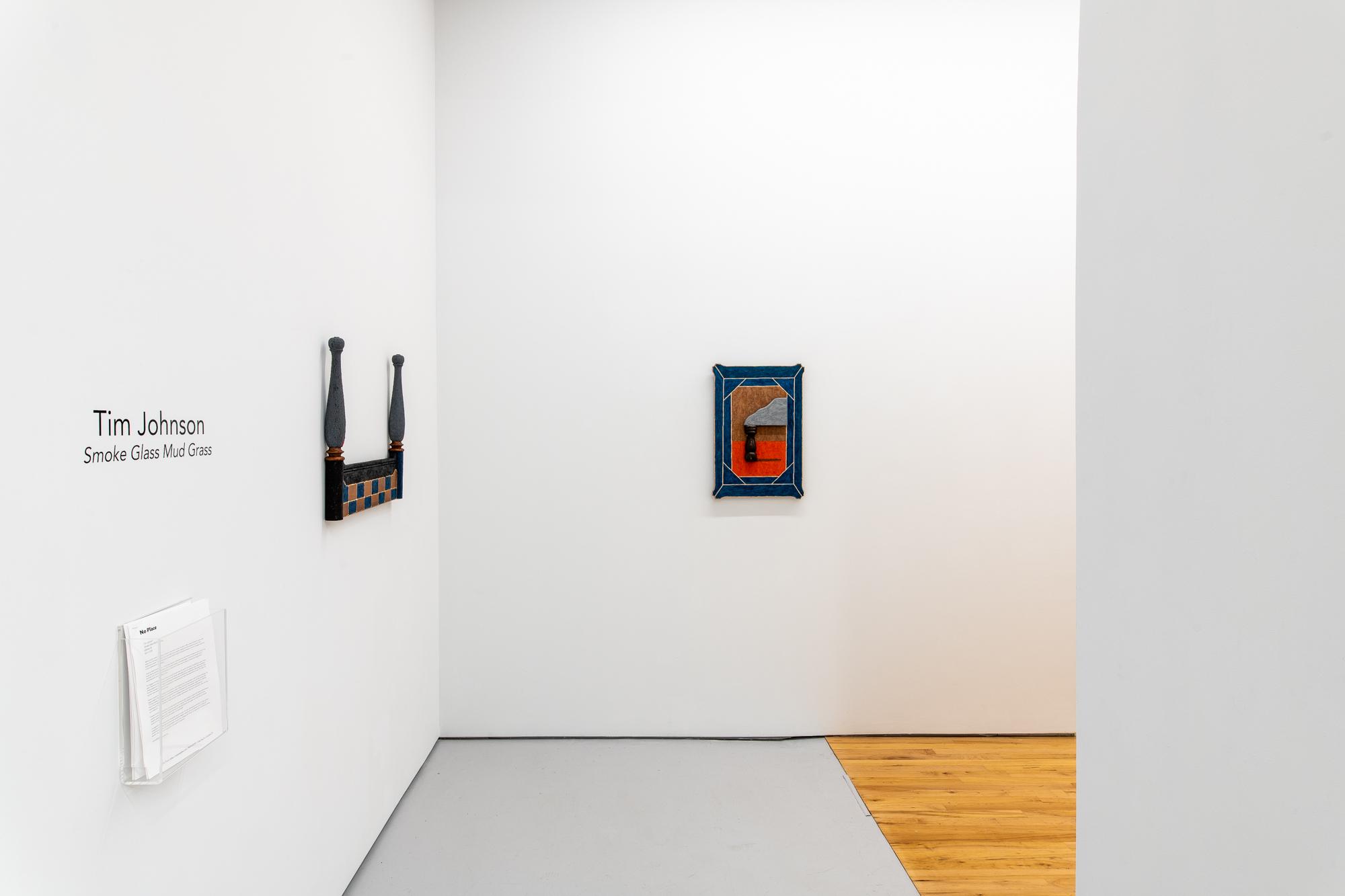

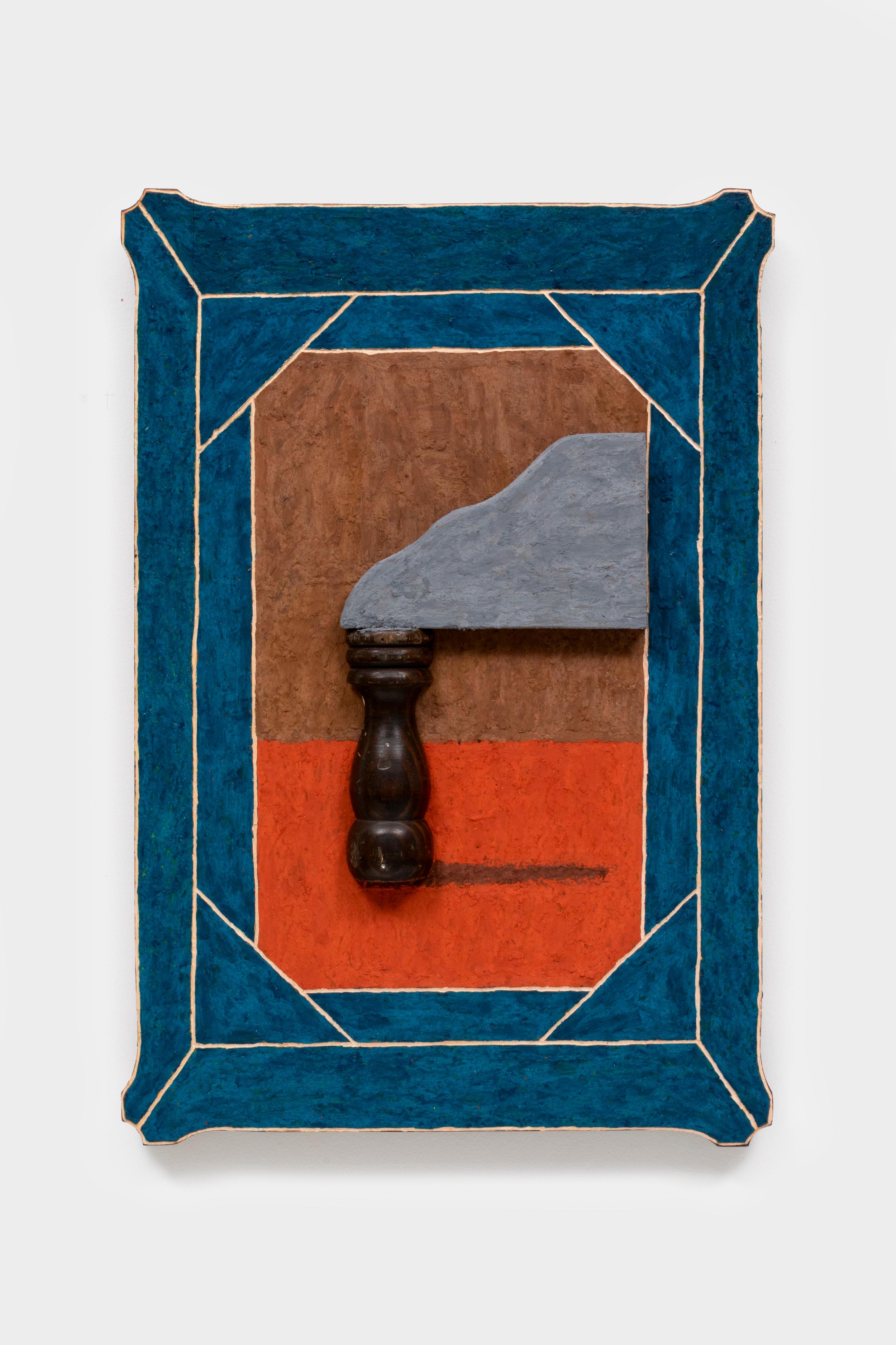

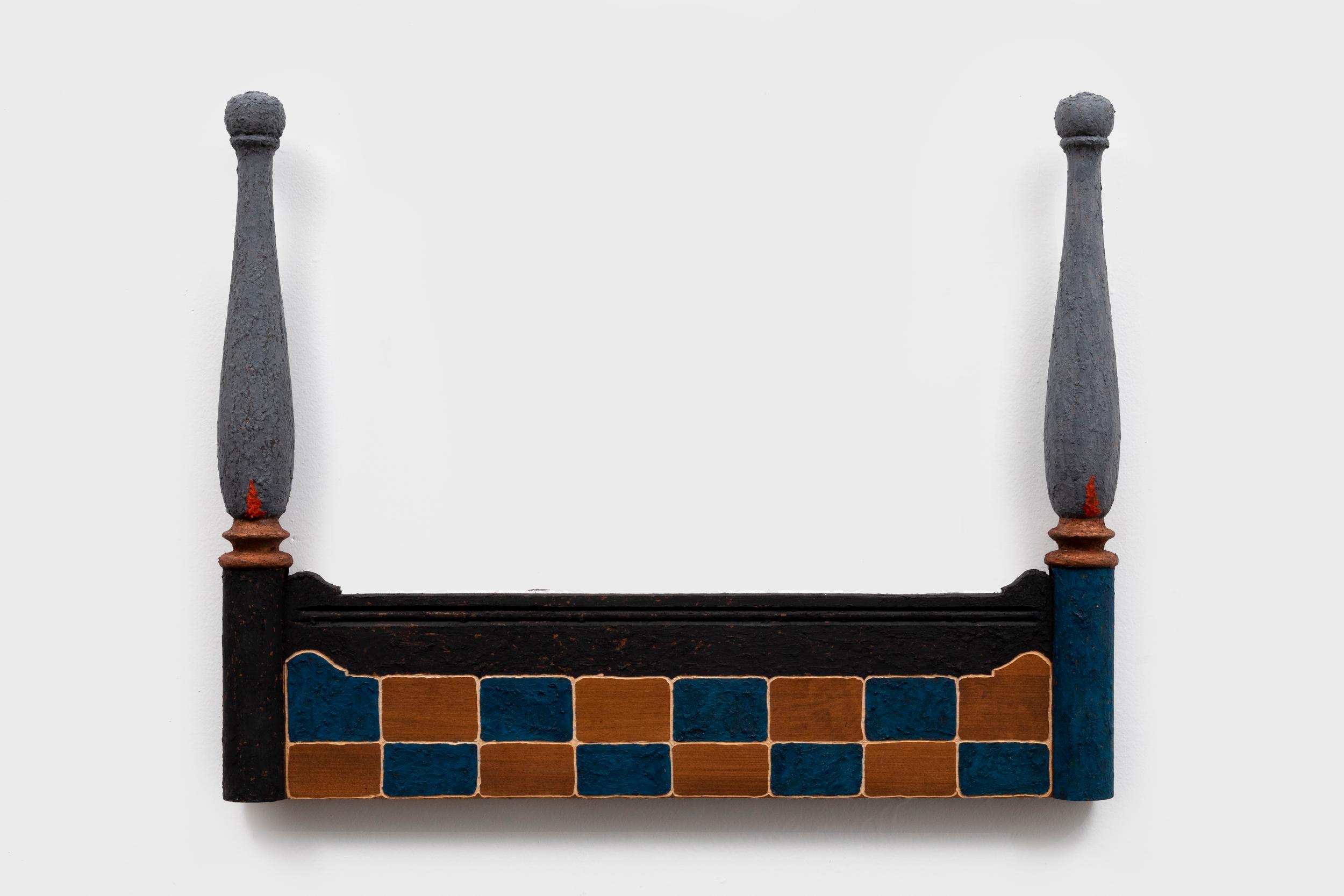

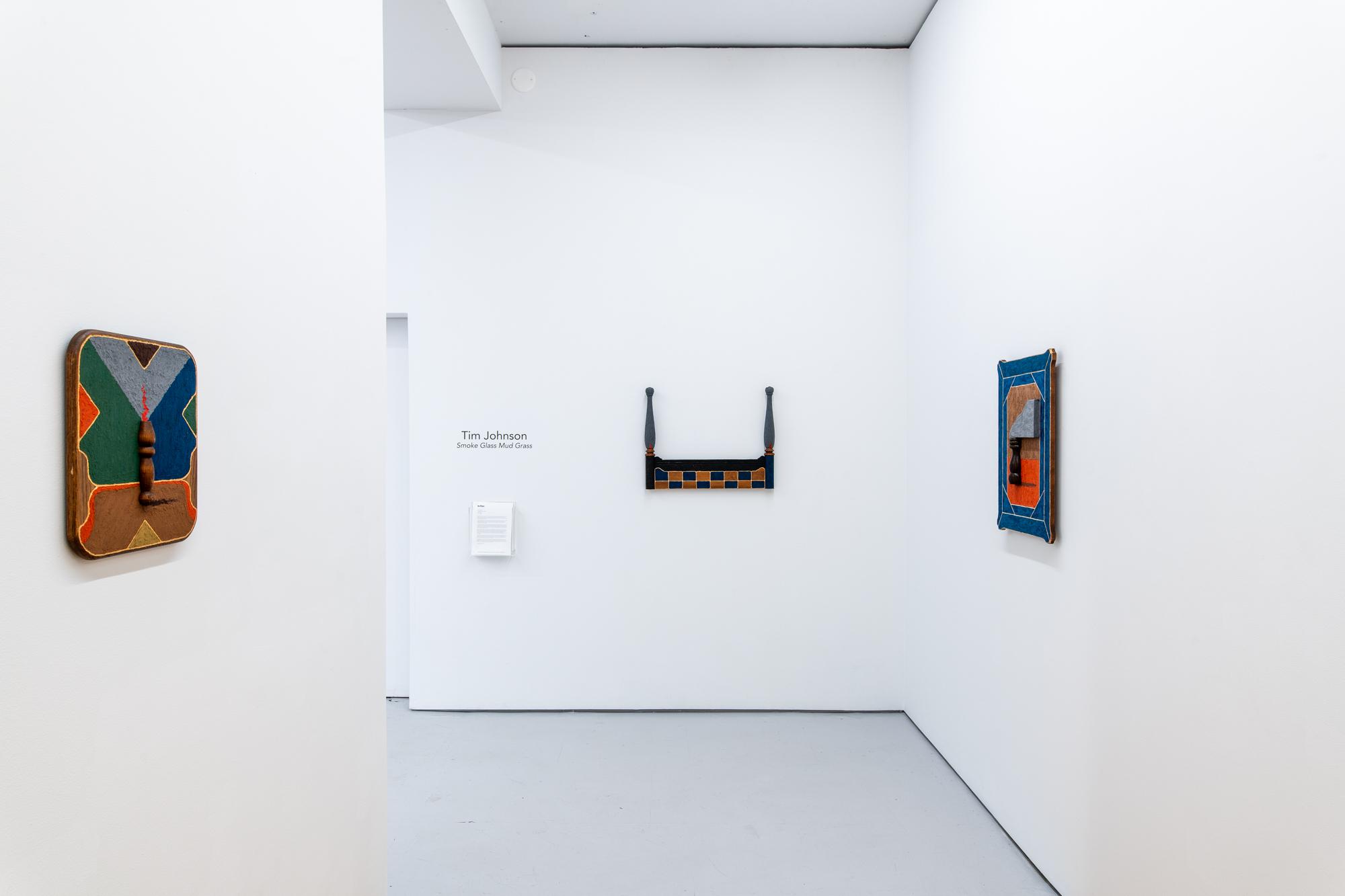













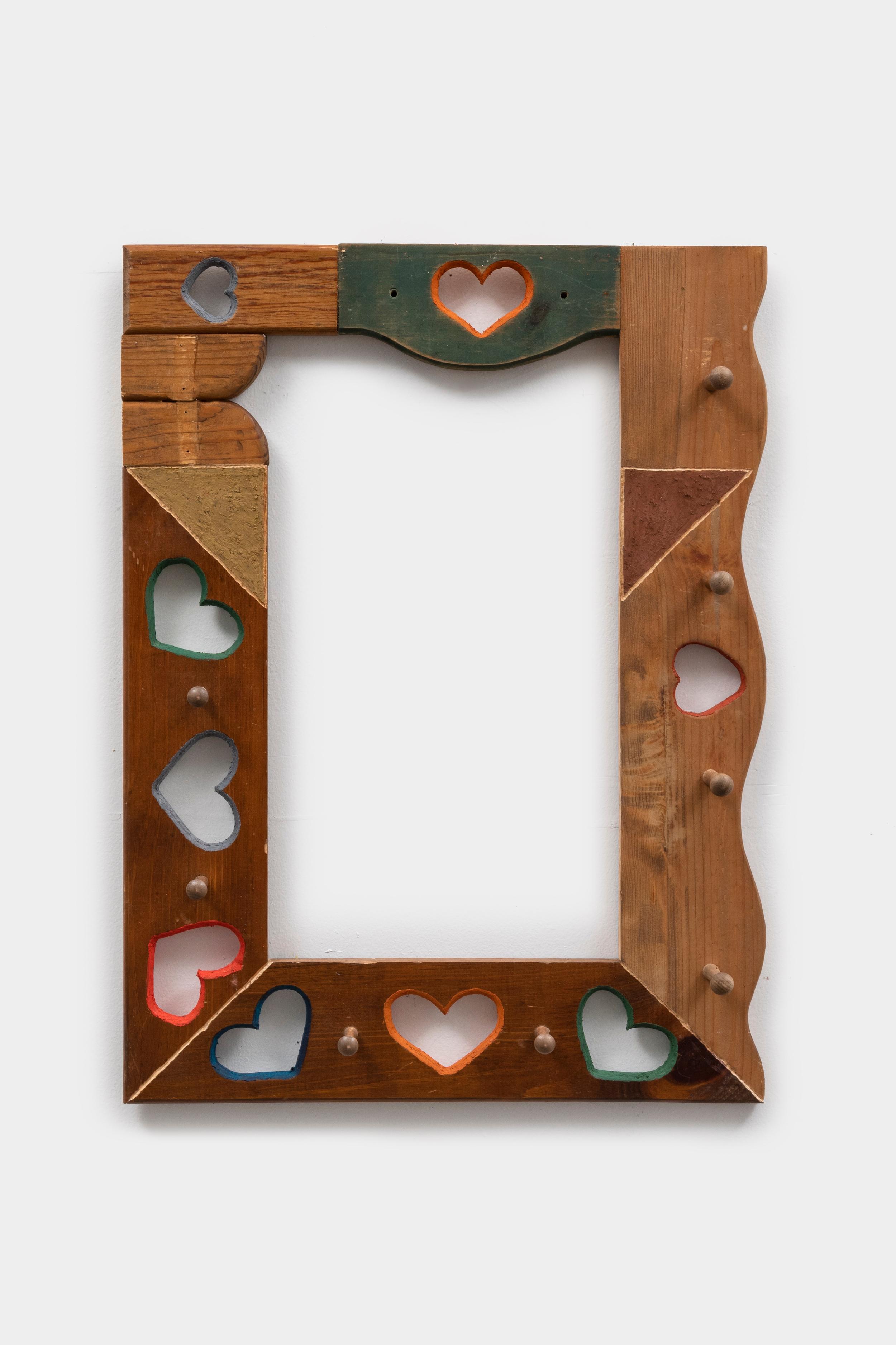

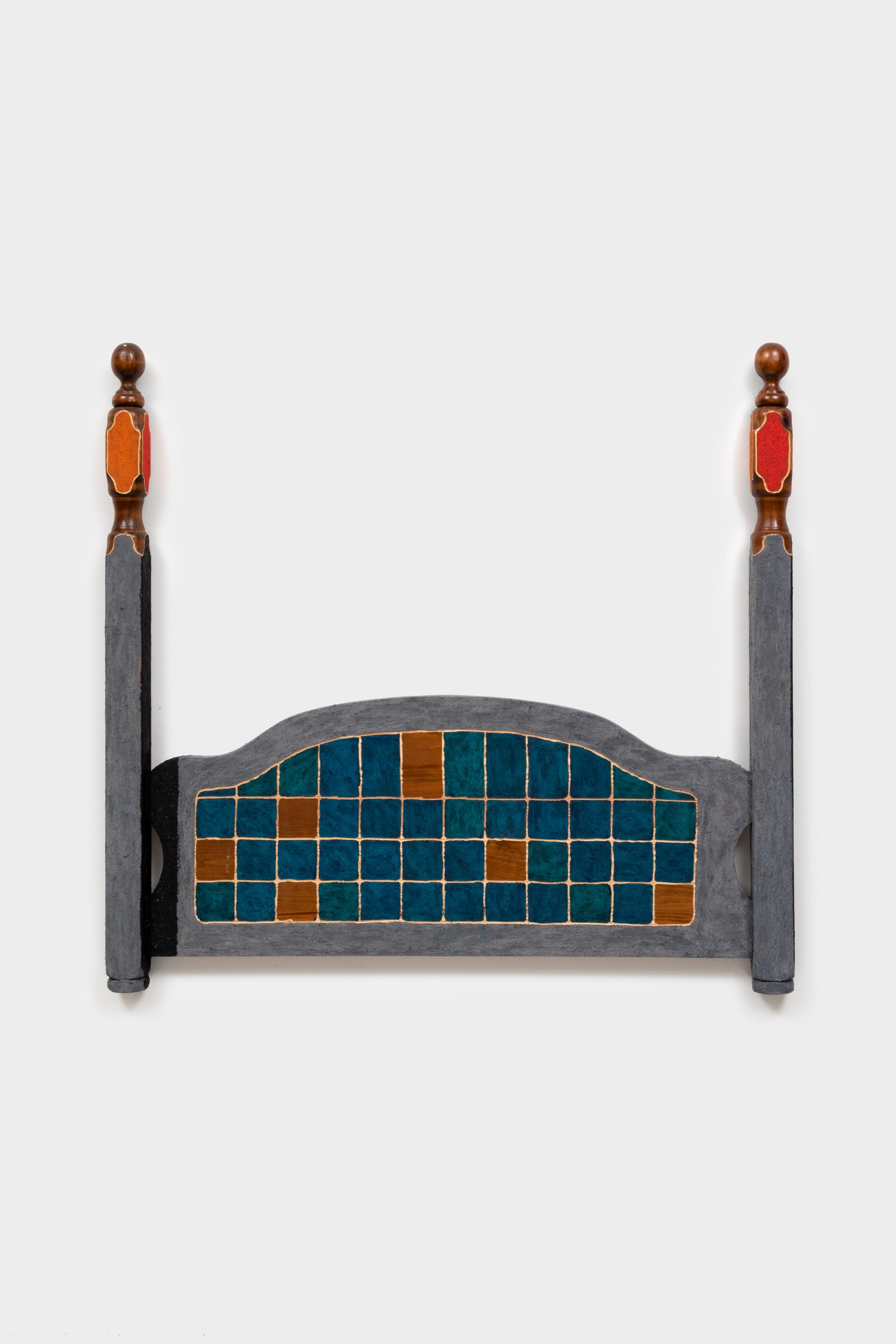

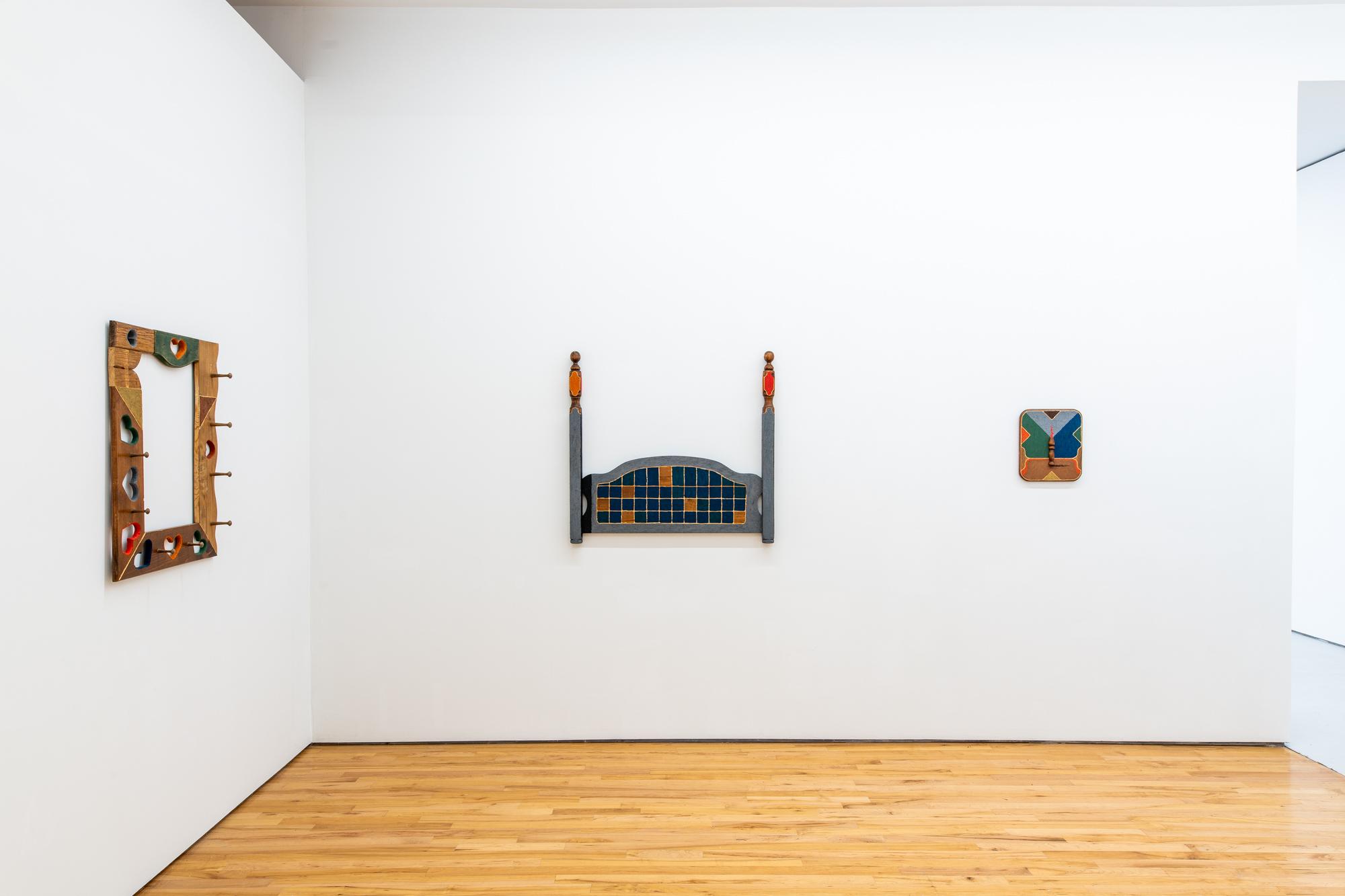

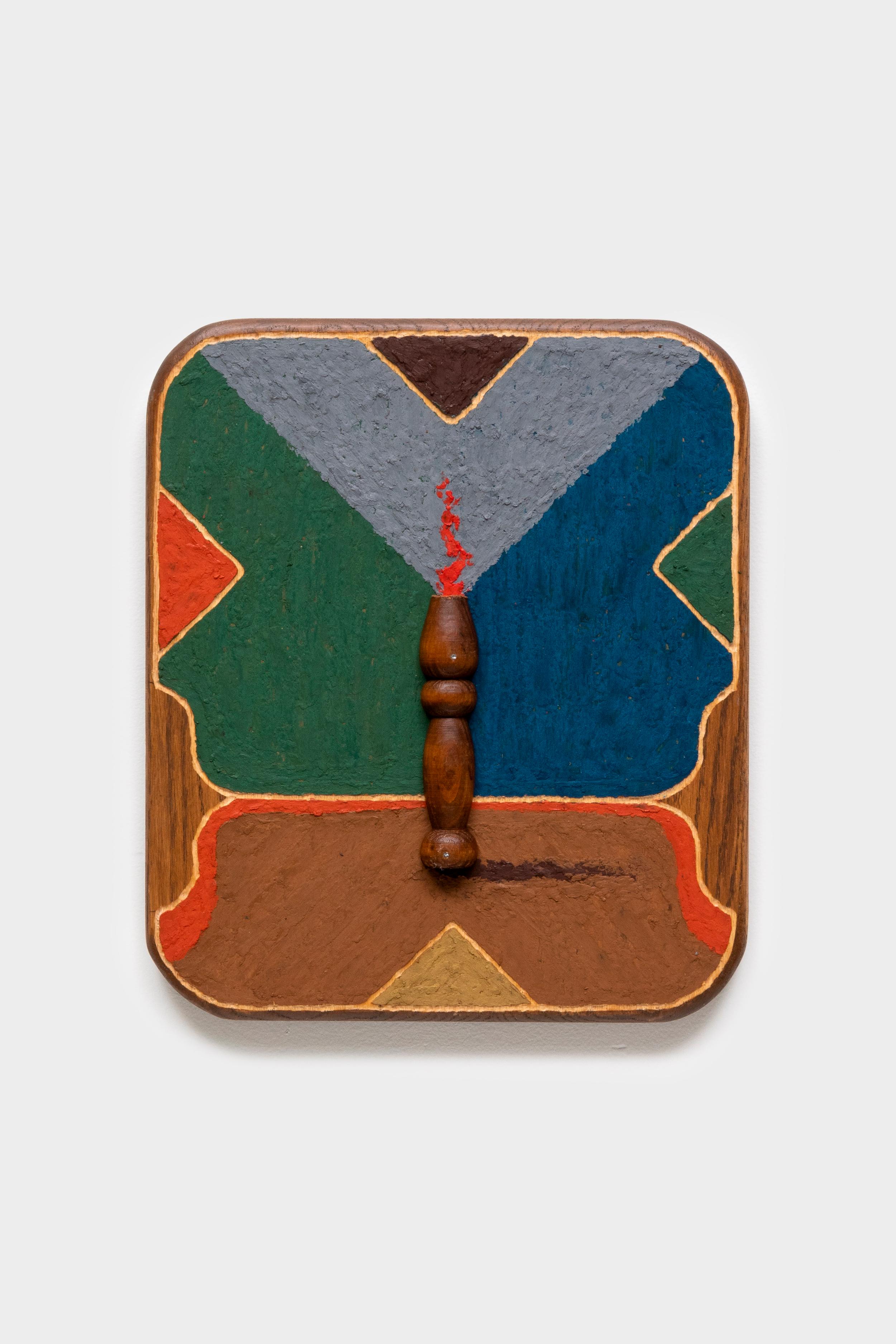



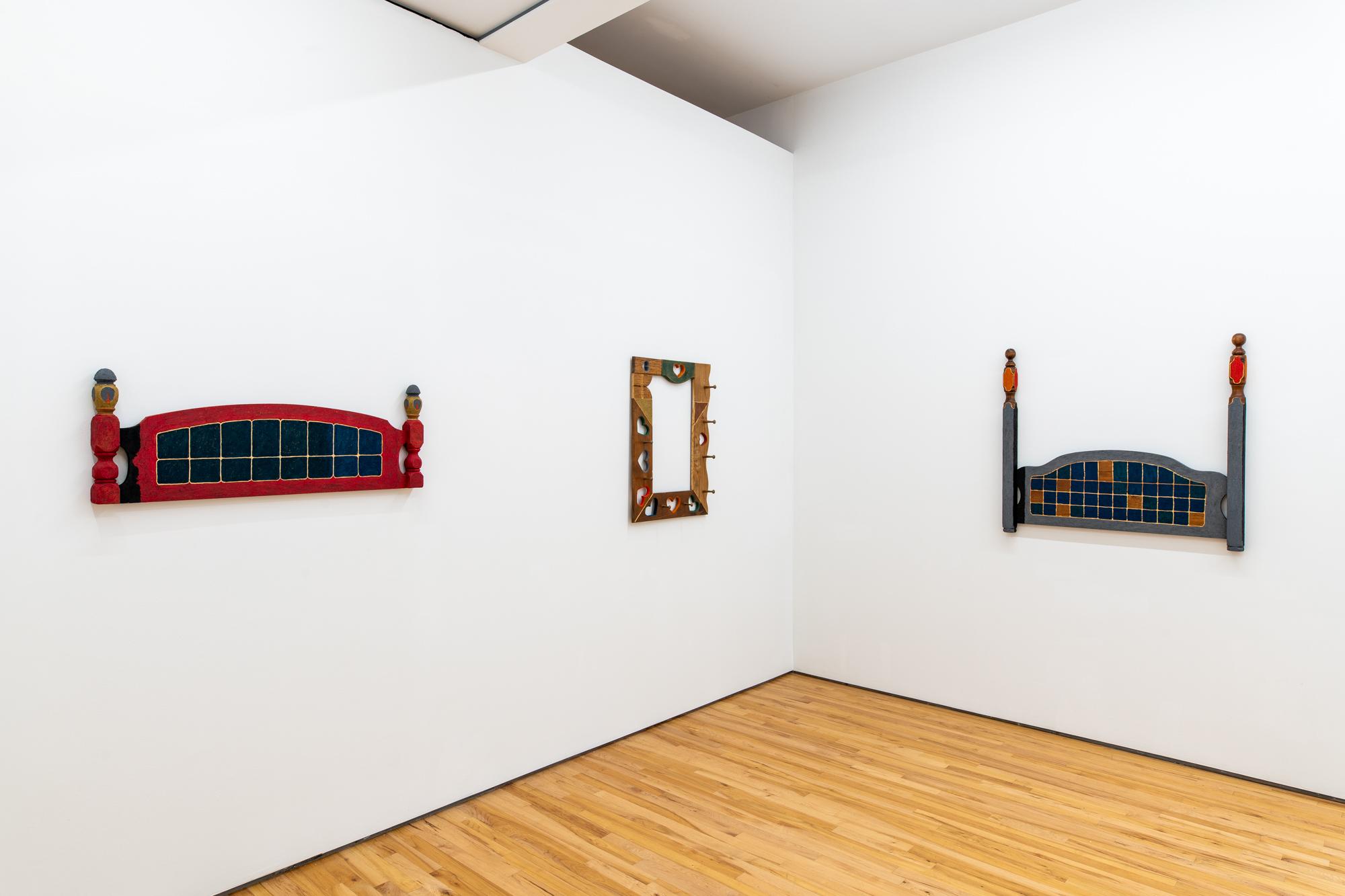



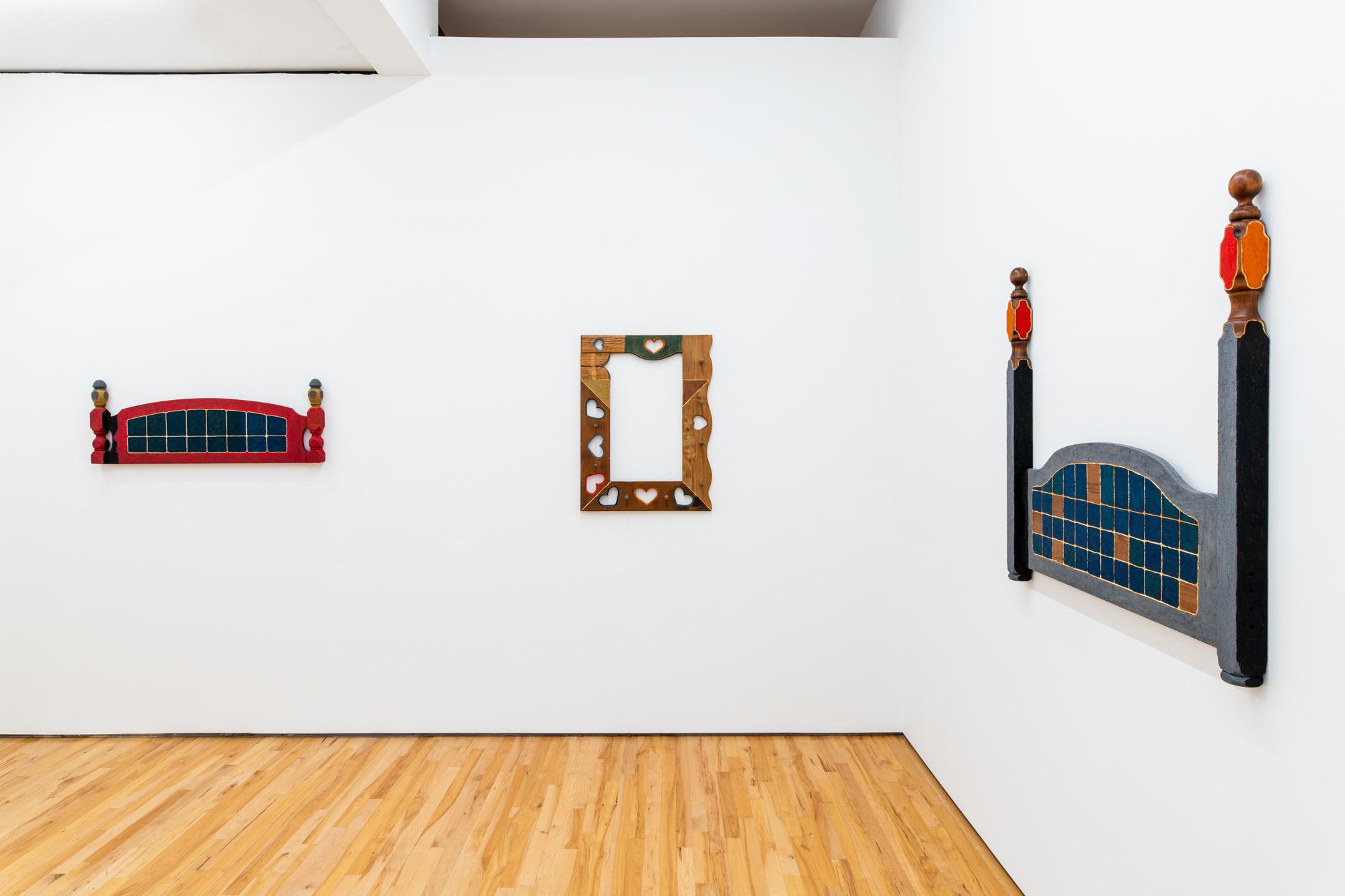



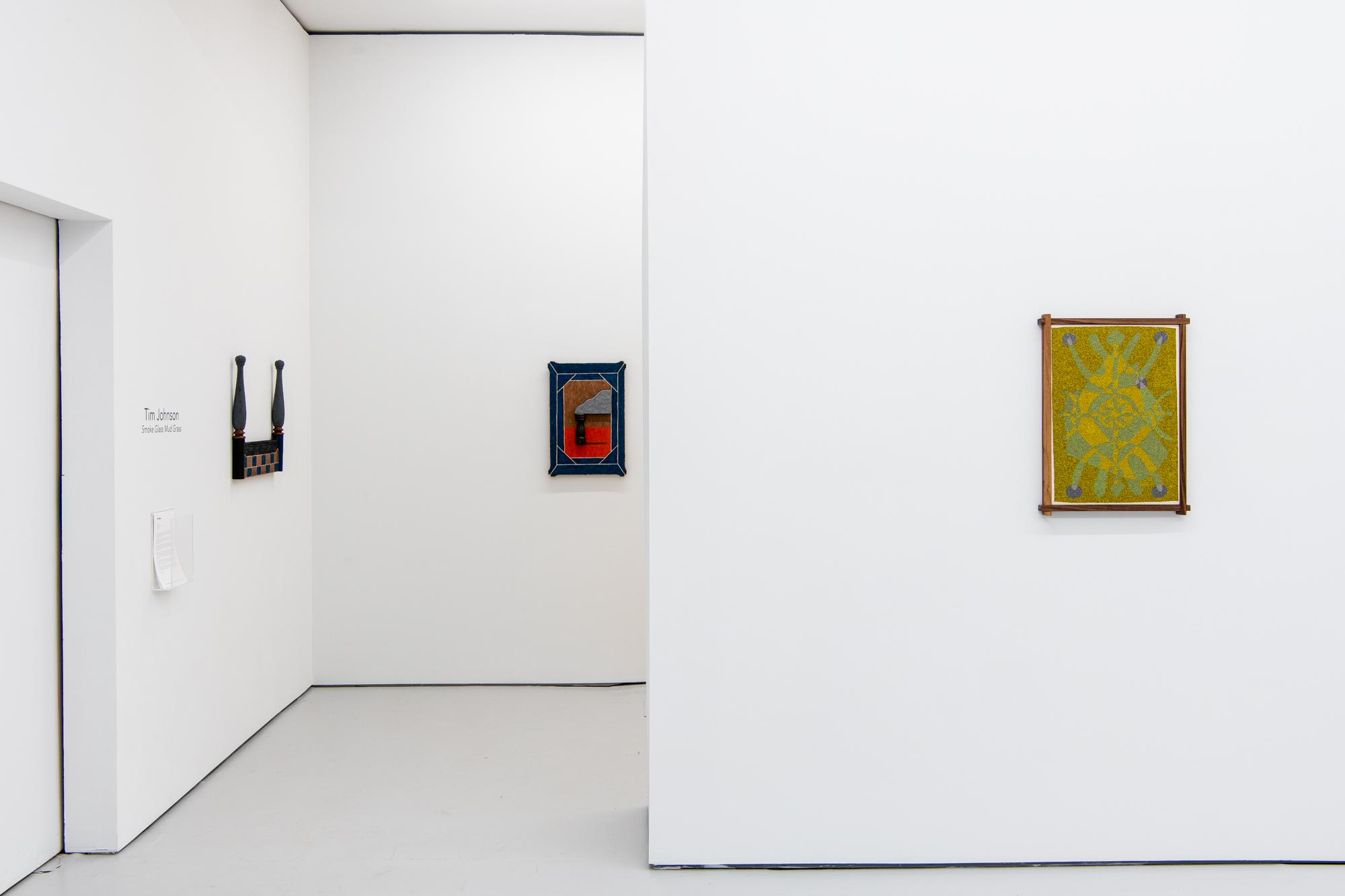
Walking into the vacation cabin with family in the North Country, we settle in after a long drive–one decorated by wholesome moments and subtle tensions. The sharp scent of pine and cedar saturates the air, mingling with kitschy maximalism in a bombardment to our senses. The abundance of triple comfort is both inviting and excessive, a lived-in nostalgia that feels at once curated and coincidental.
I hang my shorty’s hoodie on a homemade coat rack—crafted with love from leftover clothespins and an old cutting board, likely by someone’s aunty—and in this small gesture, I am drawn deeper into the quiet possibilities of connection. It’s a reminder that objects, no matter how humble, carry the imprint of those who shaped them, repurposed them, made them matter.
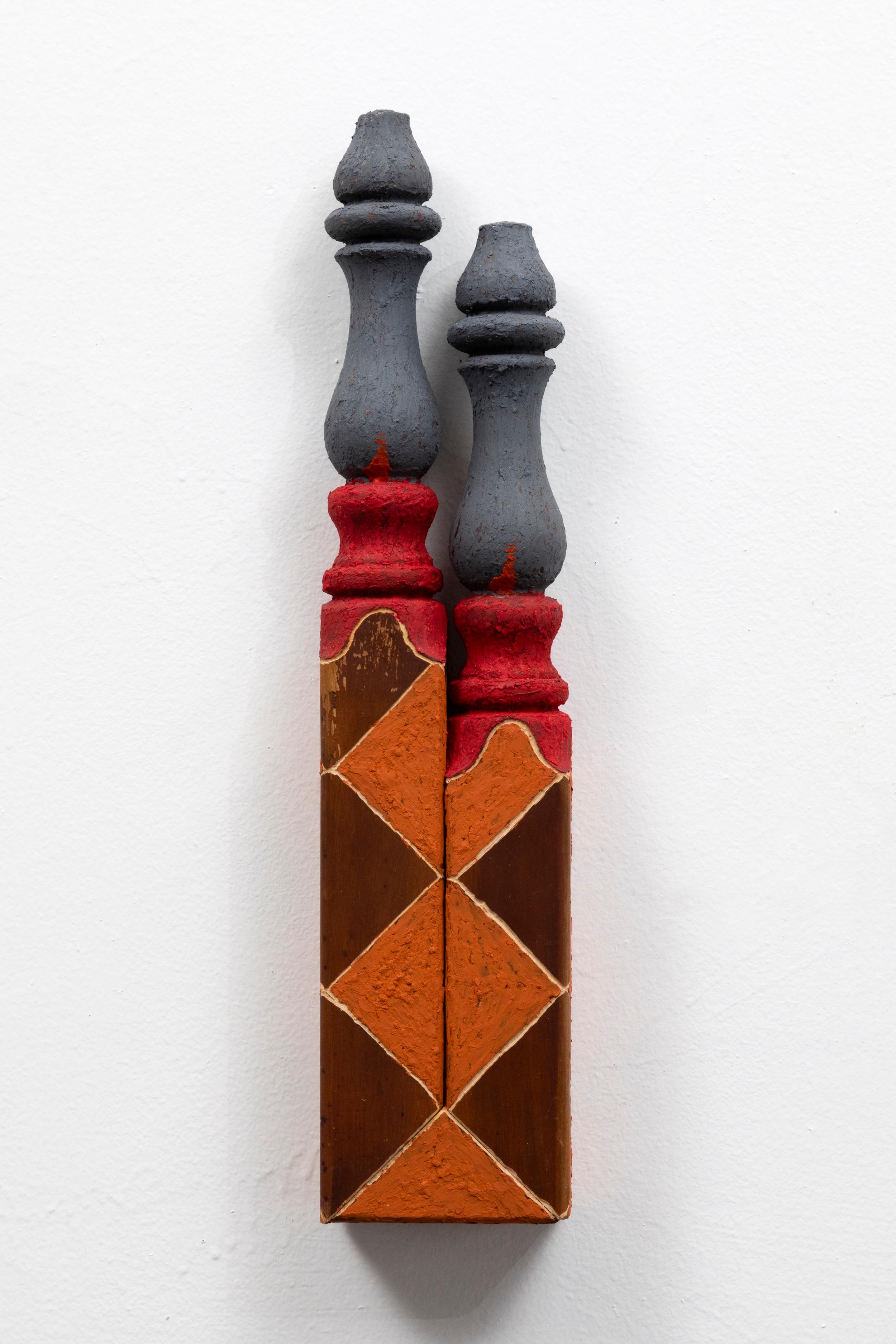
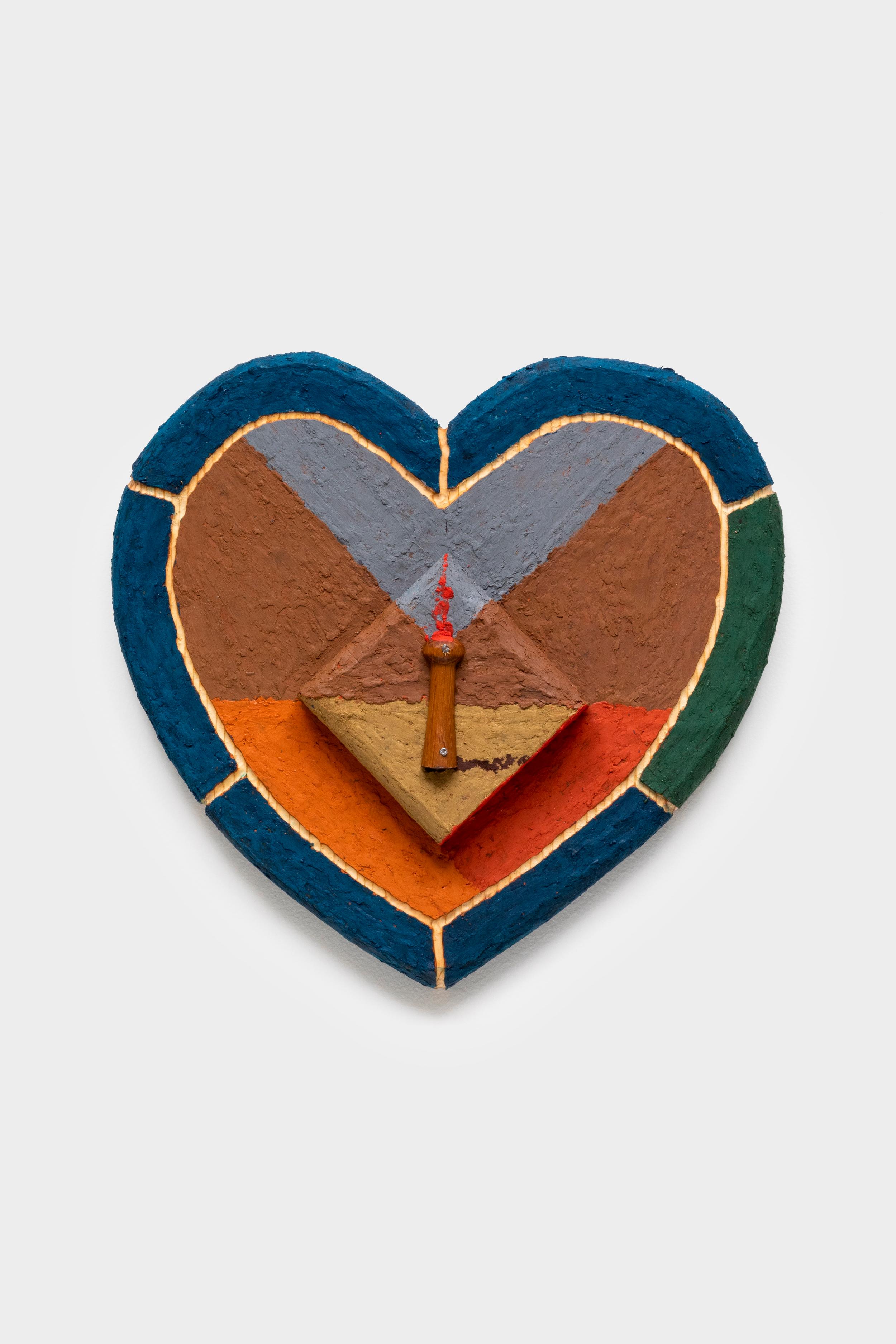
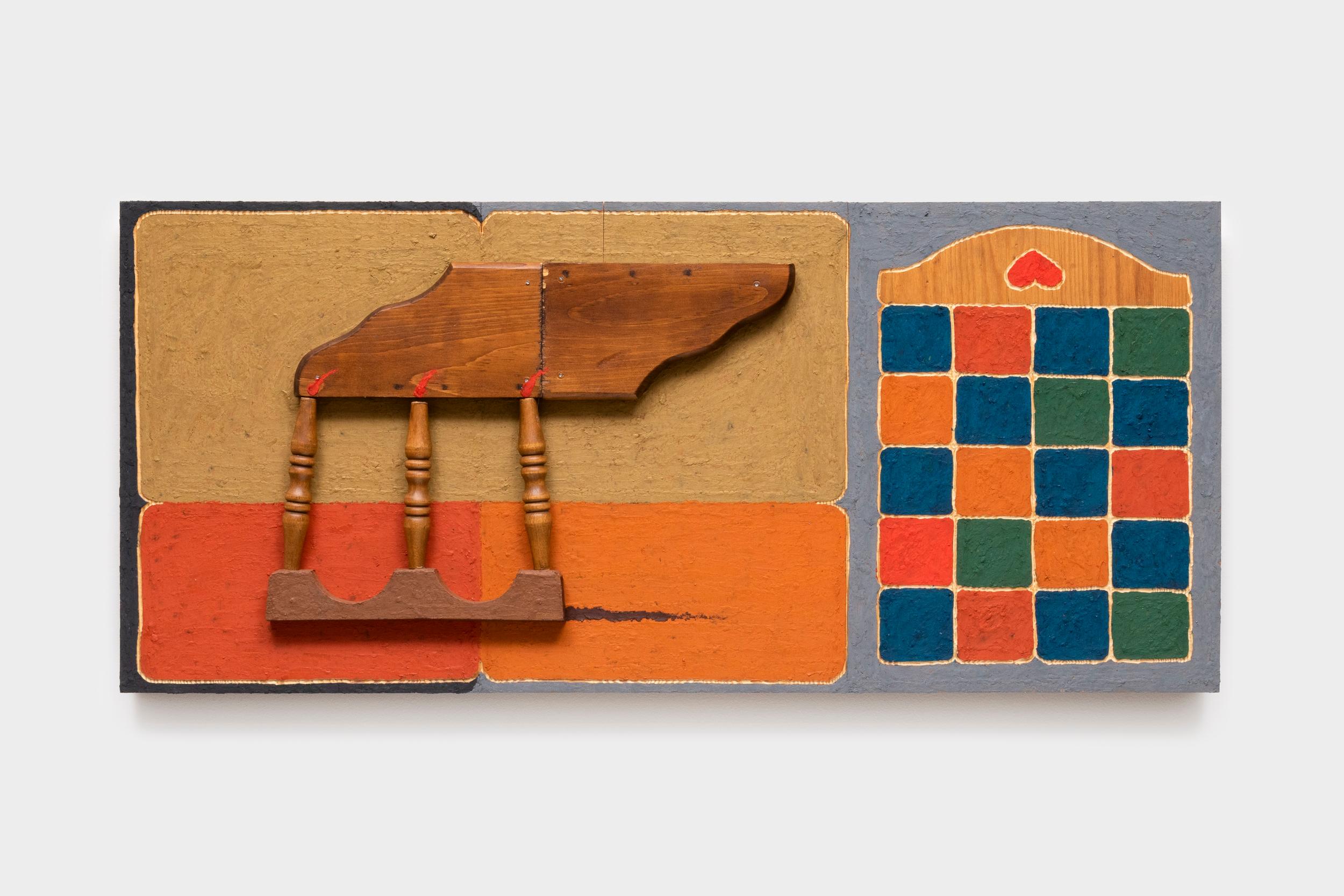
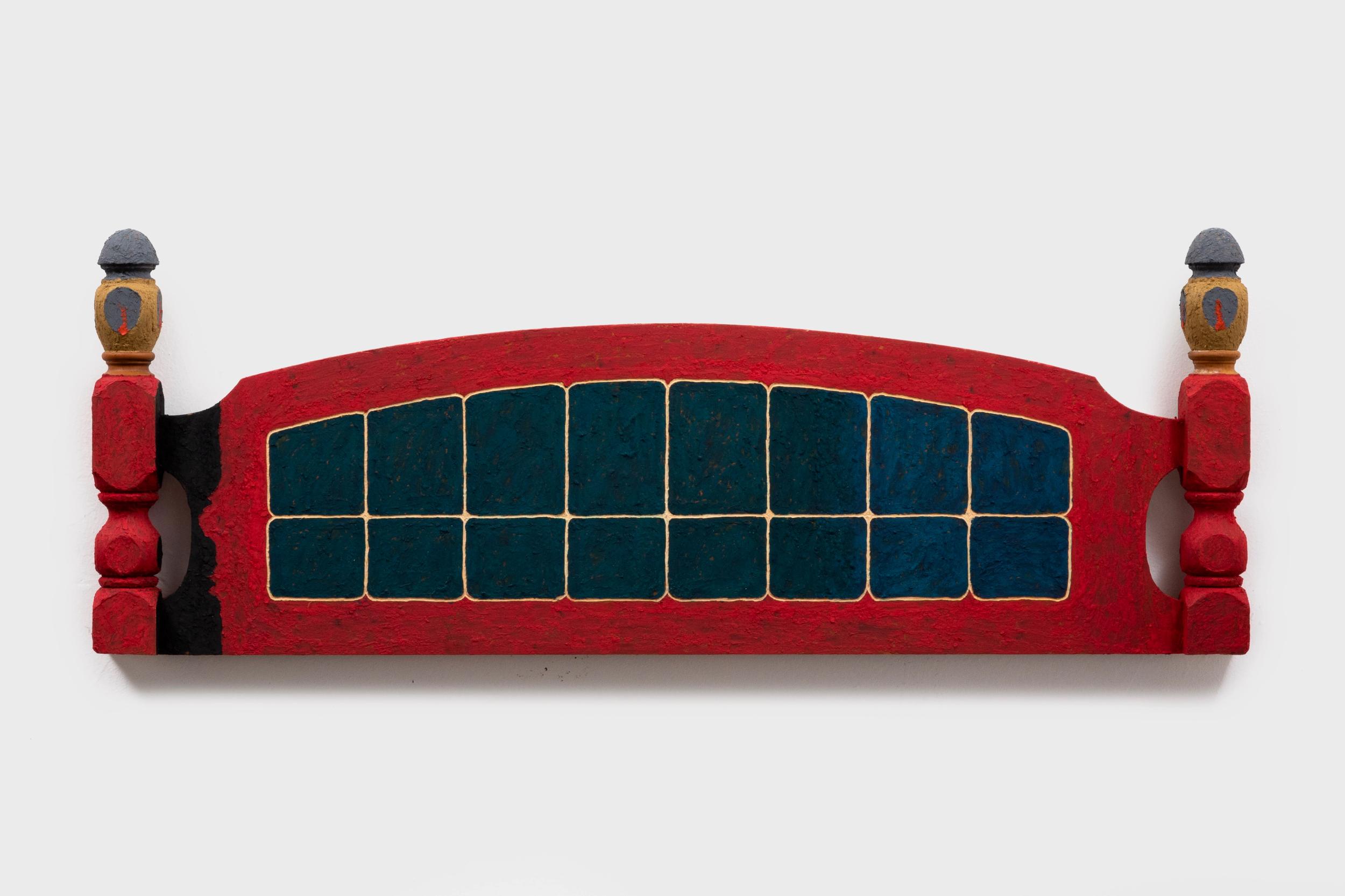
Tim Johnson’s practice engages with this same recognition of tactile memory through the reconfiguration of found materials. Remnants of domesticity—racks, chairs, beds—are reclaimed through the work; fragments of familiarity plucked from thrift stores, estate sales, and rural roadside curbs; where yesterday’s prized possessions now linger as the detritus of shifting eras. Like Duchamp’s readymades, these objects are lifted from their intended function and reassigned to a new purpose, but rather than detachment or irony, Tim leans into warmth, humor, and a sense of play.
Detroit: a city built on industry, mass production, and the factory floor, has long been a hub for furniture-making—its legacy evident in the sleek lines of mid-century modern design that once filled showrooms and office spaces. But Tim’s work stands in opposition to that kind of refinement. His pieces aren’t the polished, elegant forms of Eames chairs or Knoll credenzas; they are clunky, wonky, and deeply human—built with the same tenderness as a handmade quilt or a whittled toy. These works don’t whisper sophistication; they shout improvisation, care, and the joy of making do.
Flattened and recontextualized, his pieces become wall-bound works, existing in a space that tethers itself between outsider art and an instinctual, almost naive approach to making. The materials—crayons, discarded furniture, makeshift assemblages—echo a resourcefulness both genuine and urgent, as if each piece carries the residue of an era where nothing was wasted, only repurposed.
Tim’s approach to making follows the perfect setup for a joke—the right combination of familiarity, timing, and an unexpected turn. But the punchline lands somewhere deeper, revealing the quiet mechanics of an industry of making that thrives in the spaces between art and utility, nostalgia and critique. His works exist in the tension of that moment—the humor of recognition, the weight of reinvention.
-James McDevitt-Stredney