Sa Choill

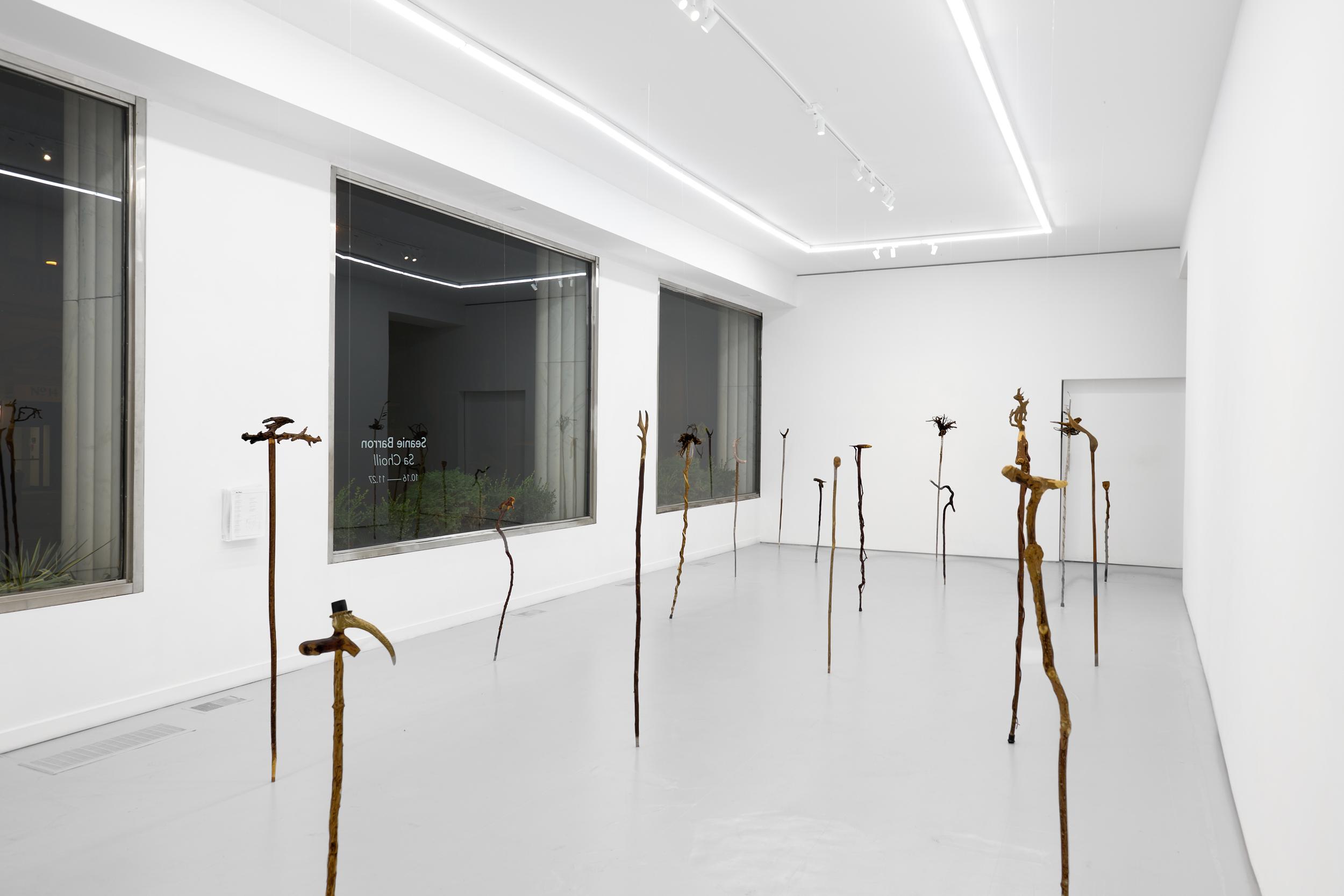

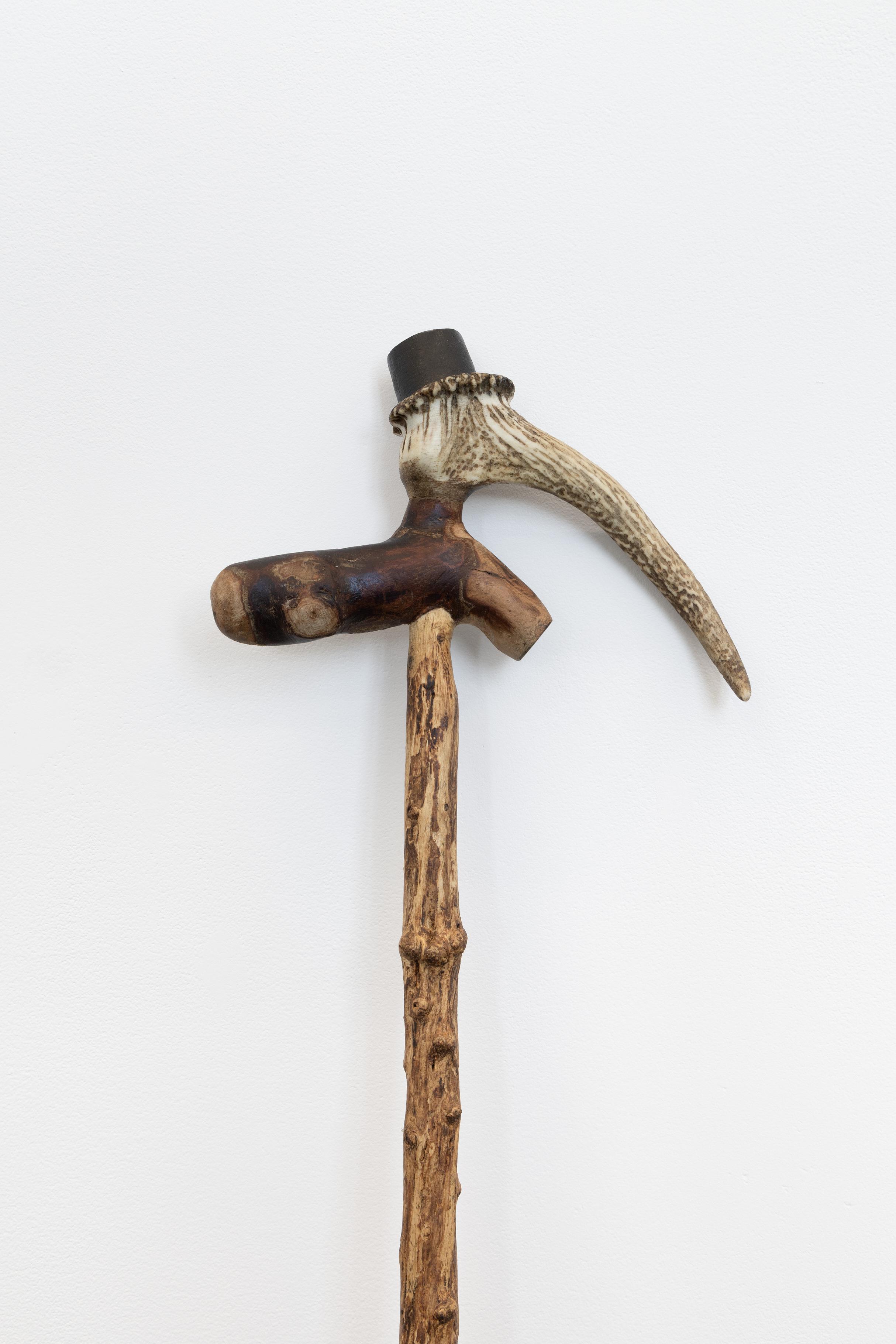

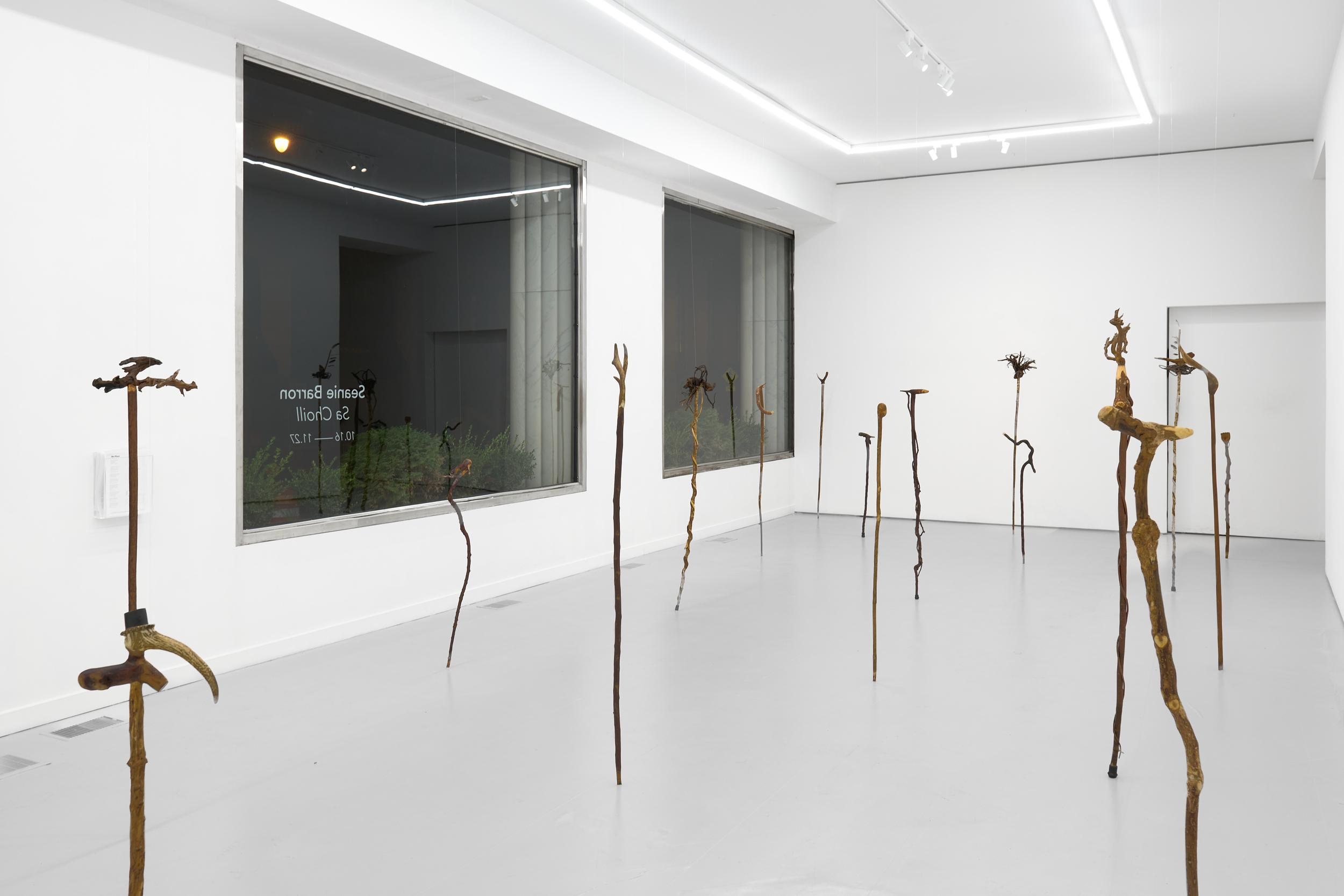

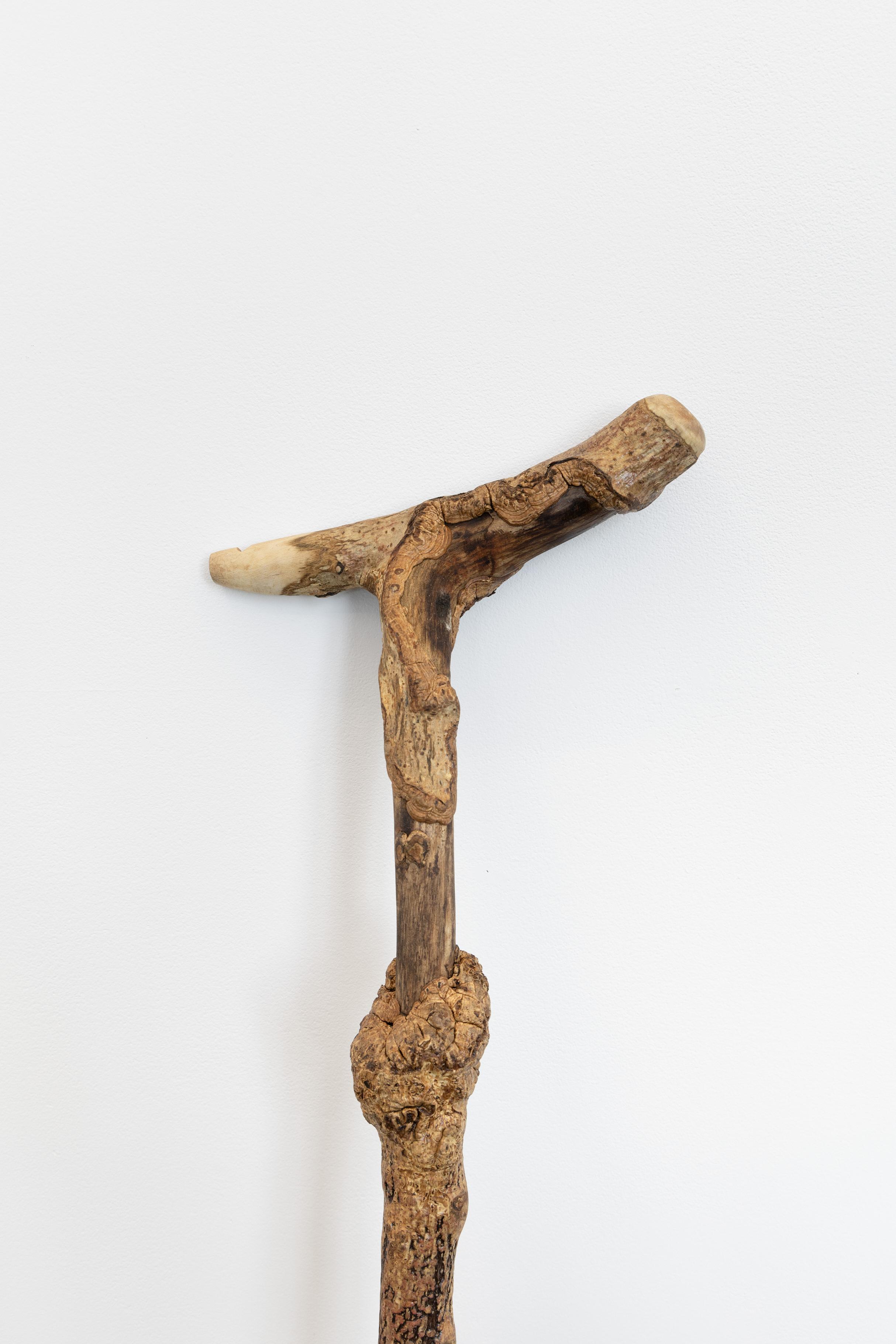

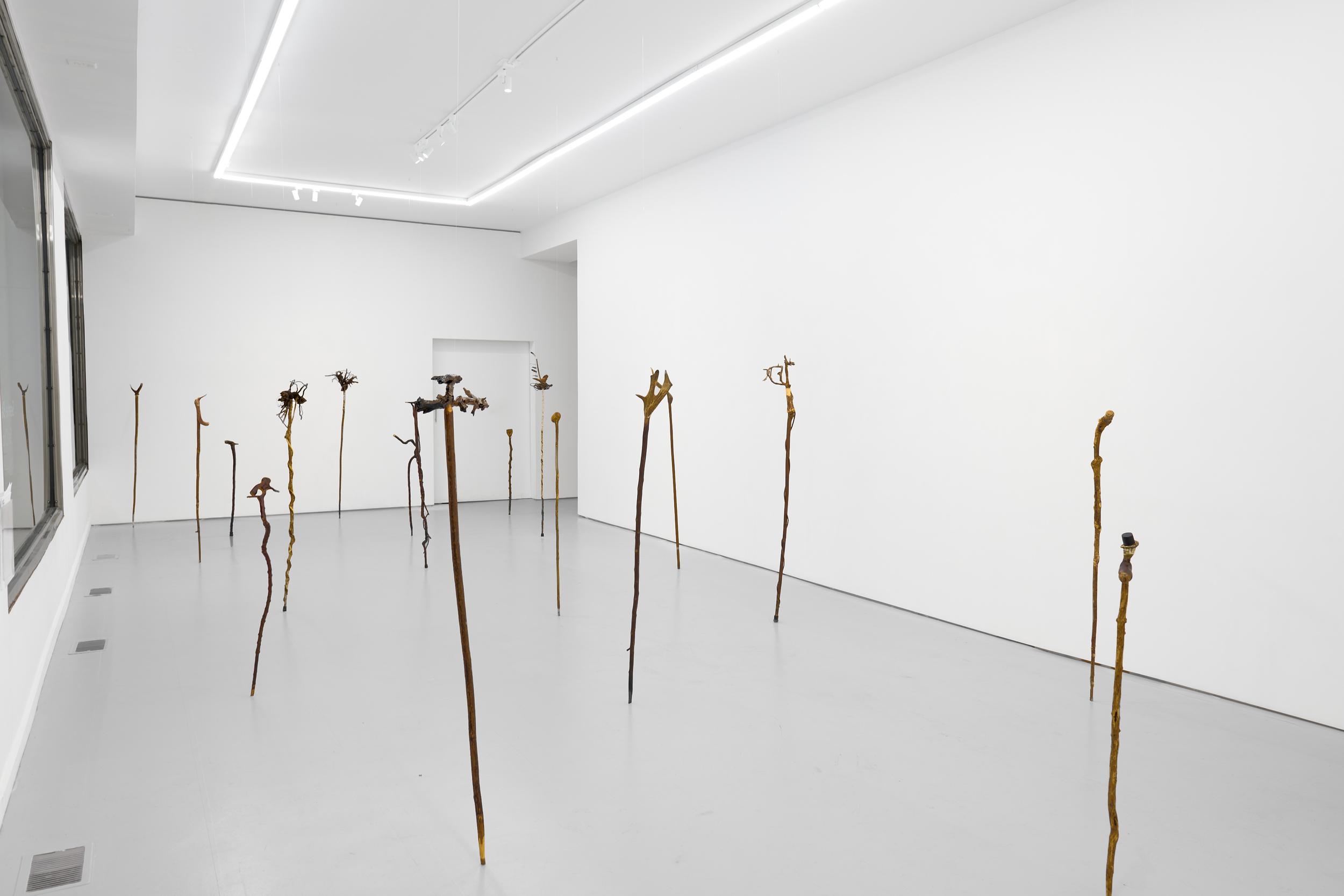


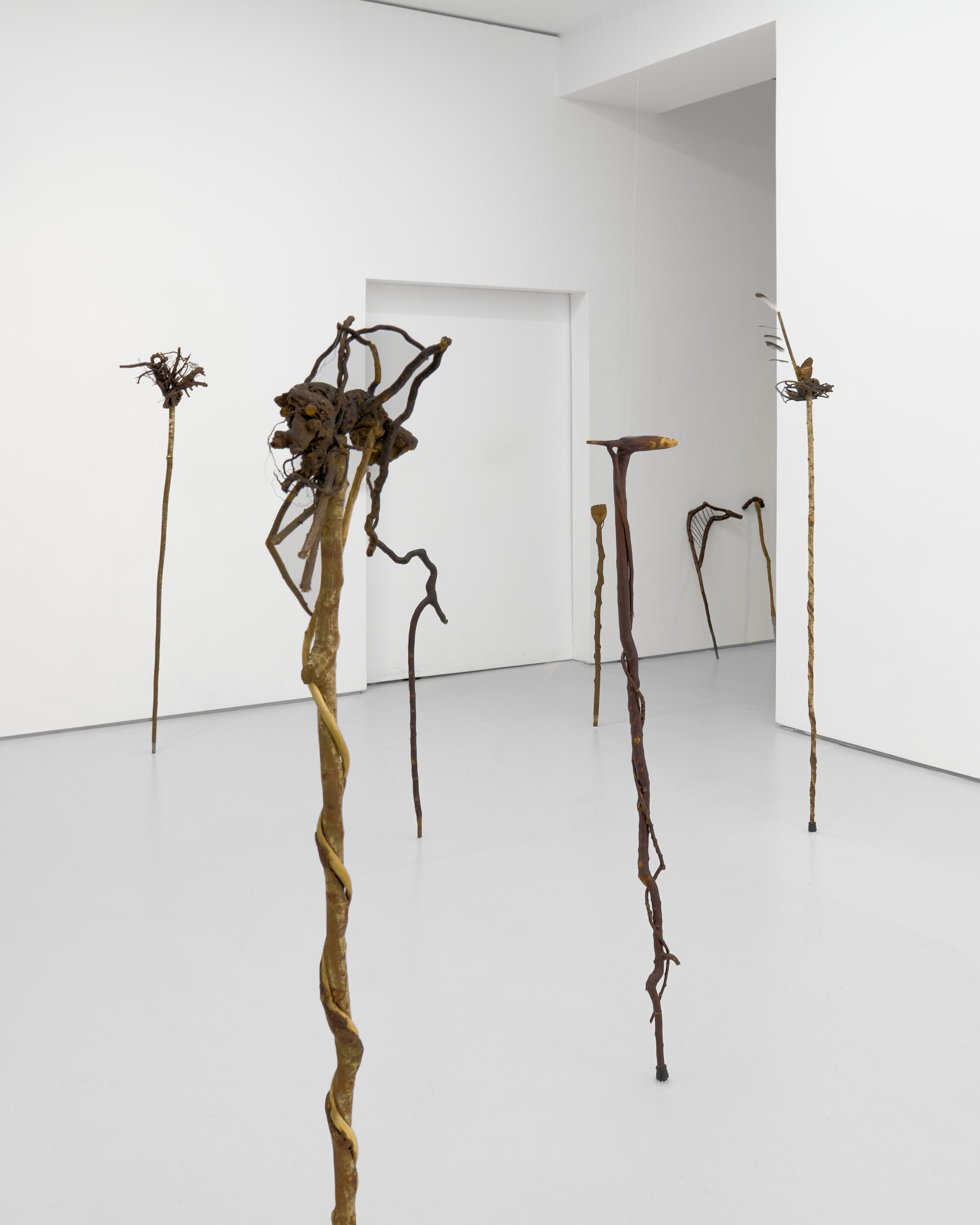

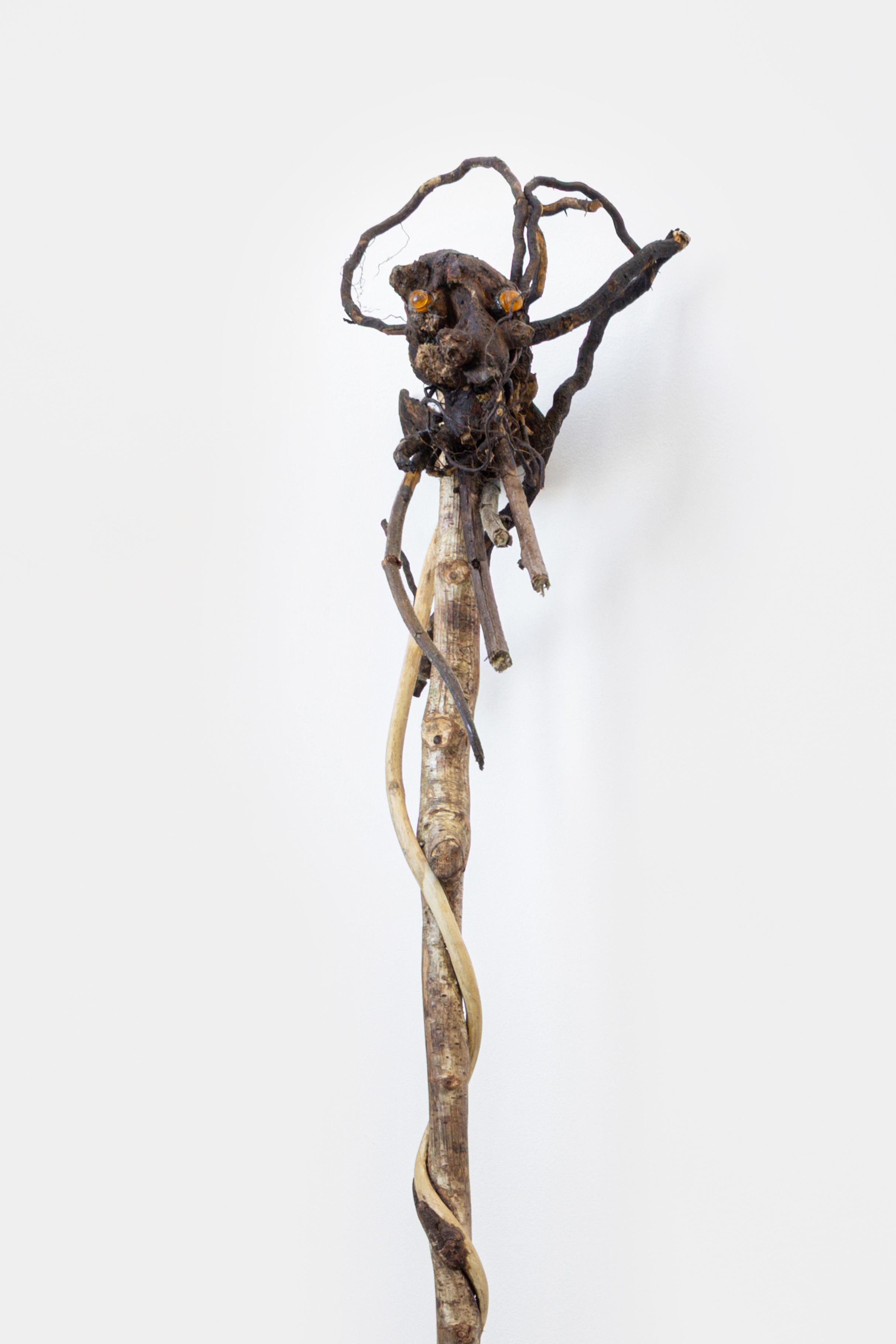

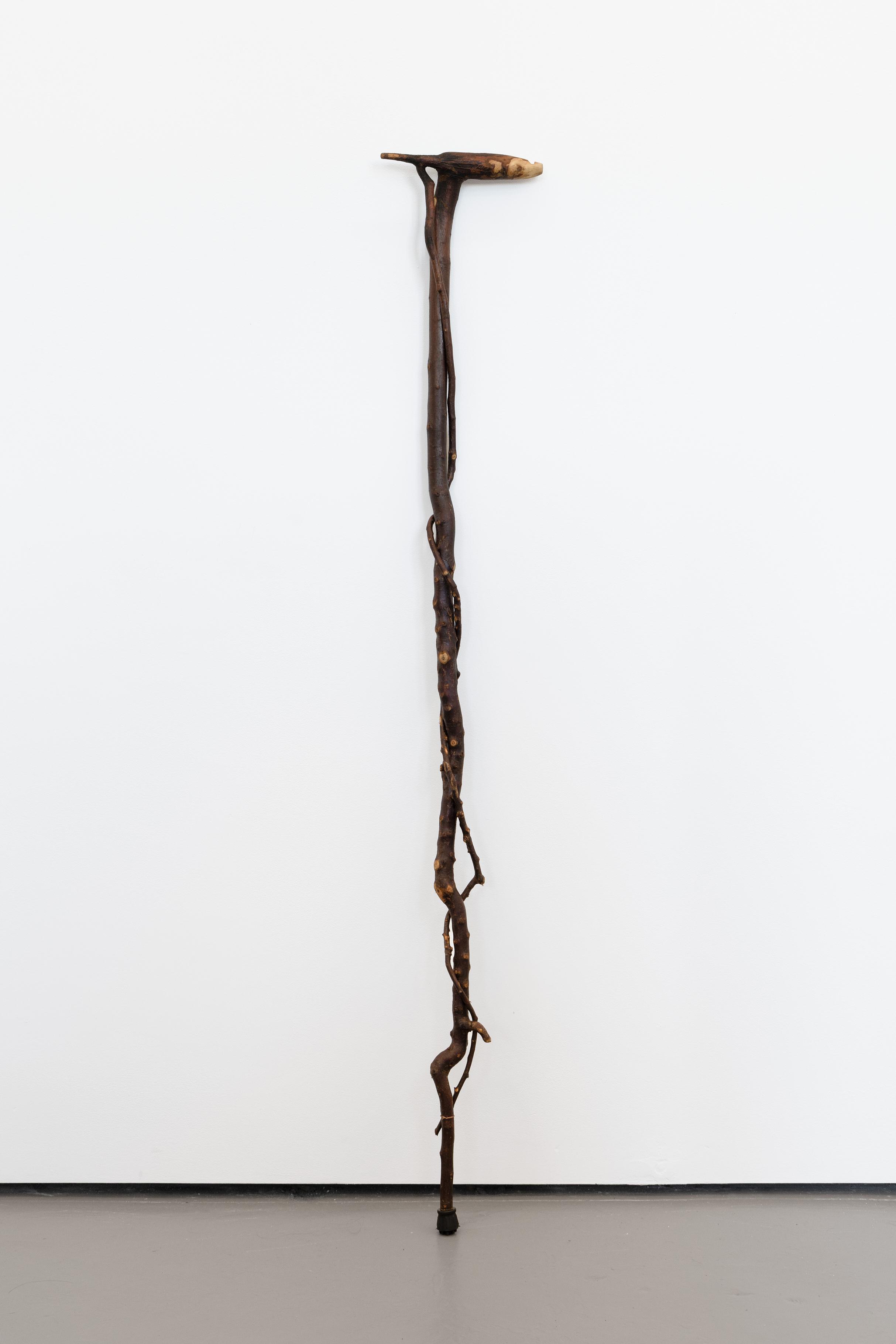

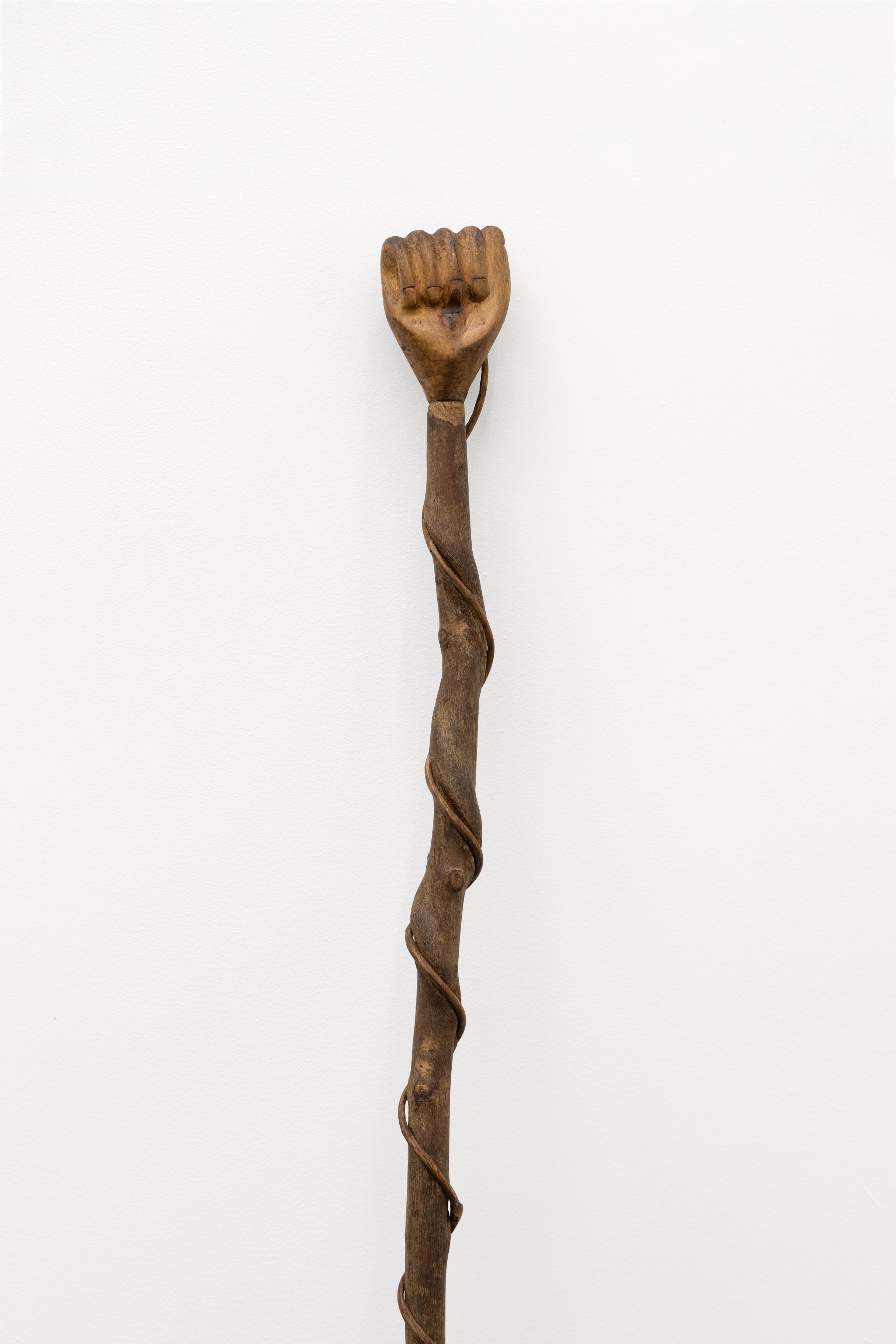

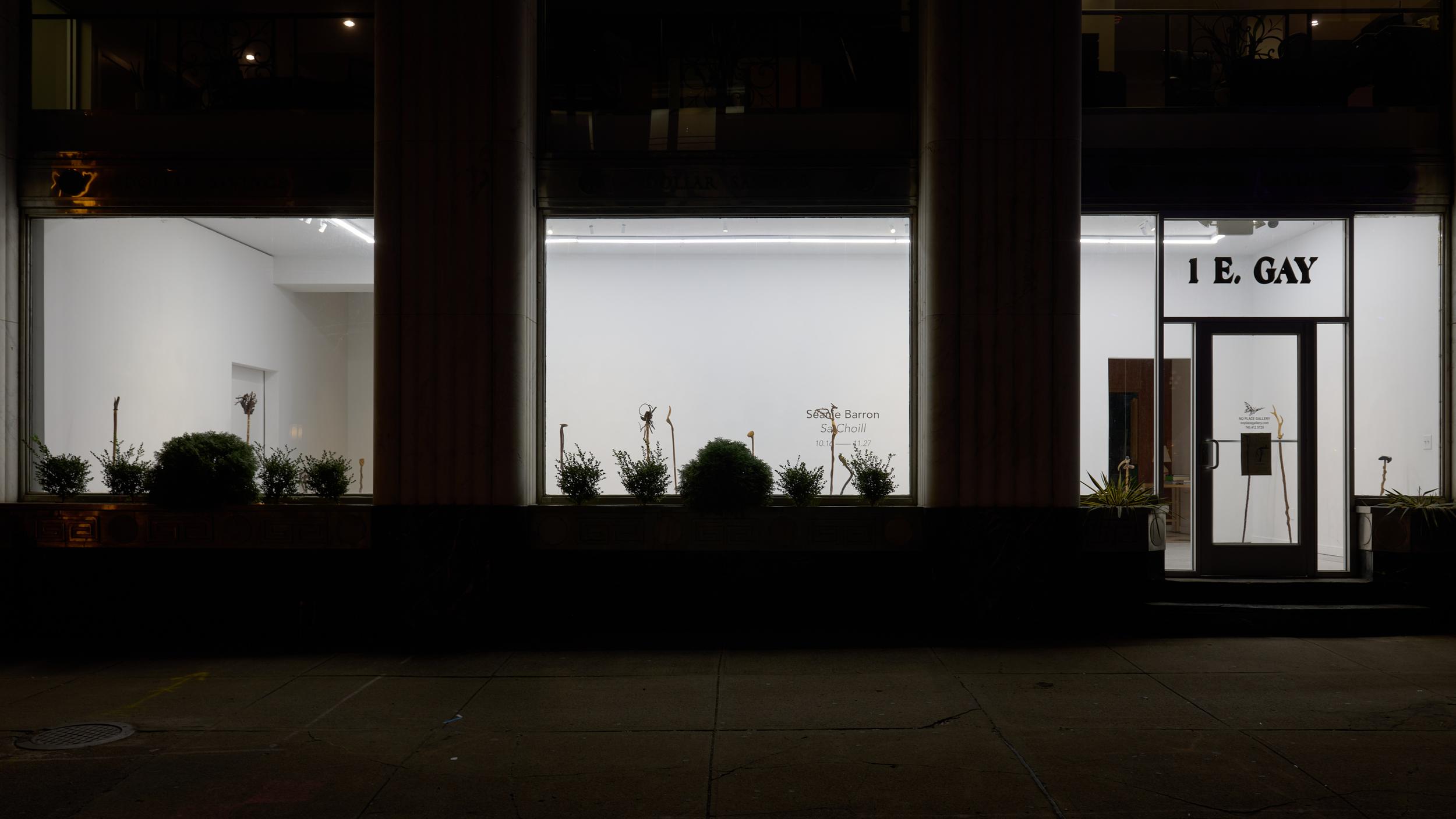

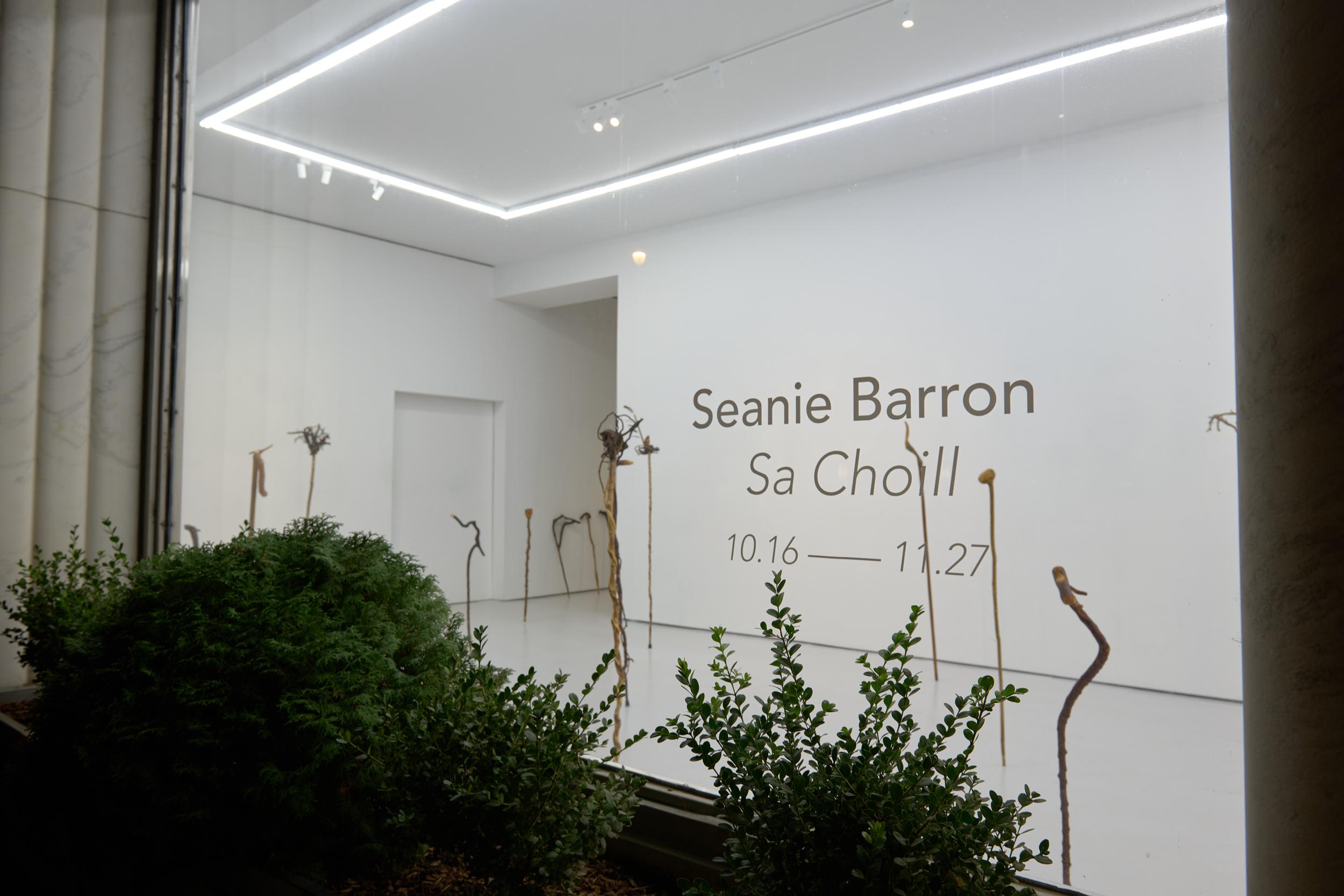

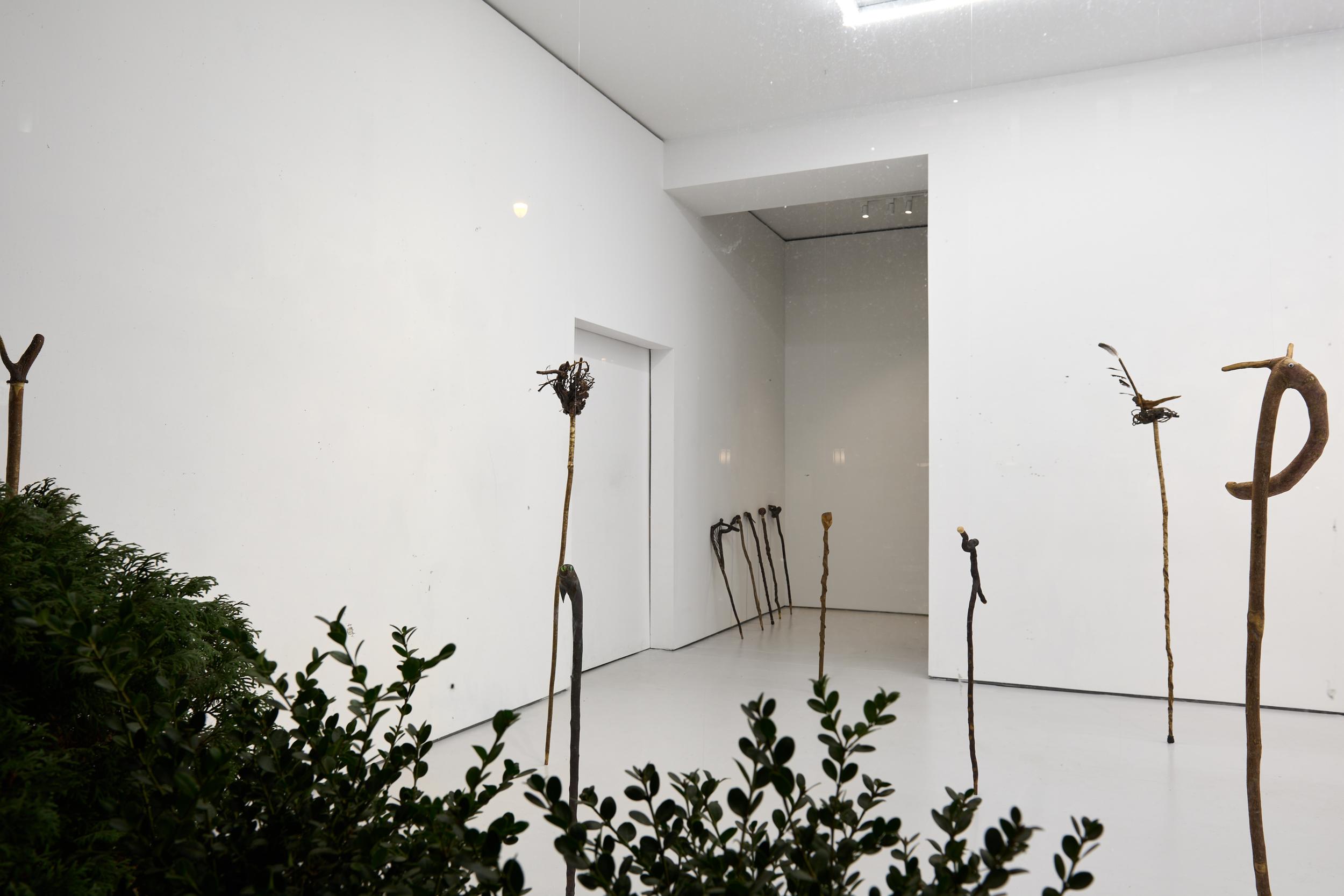

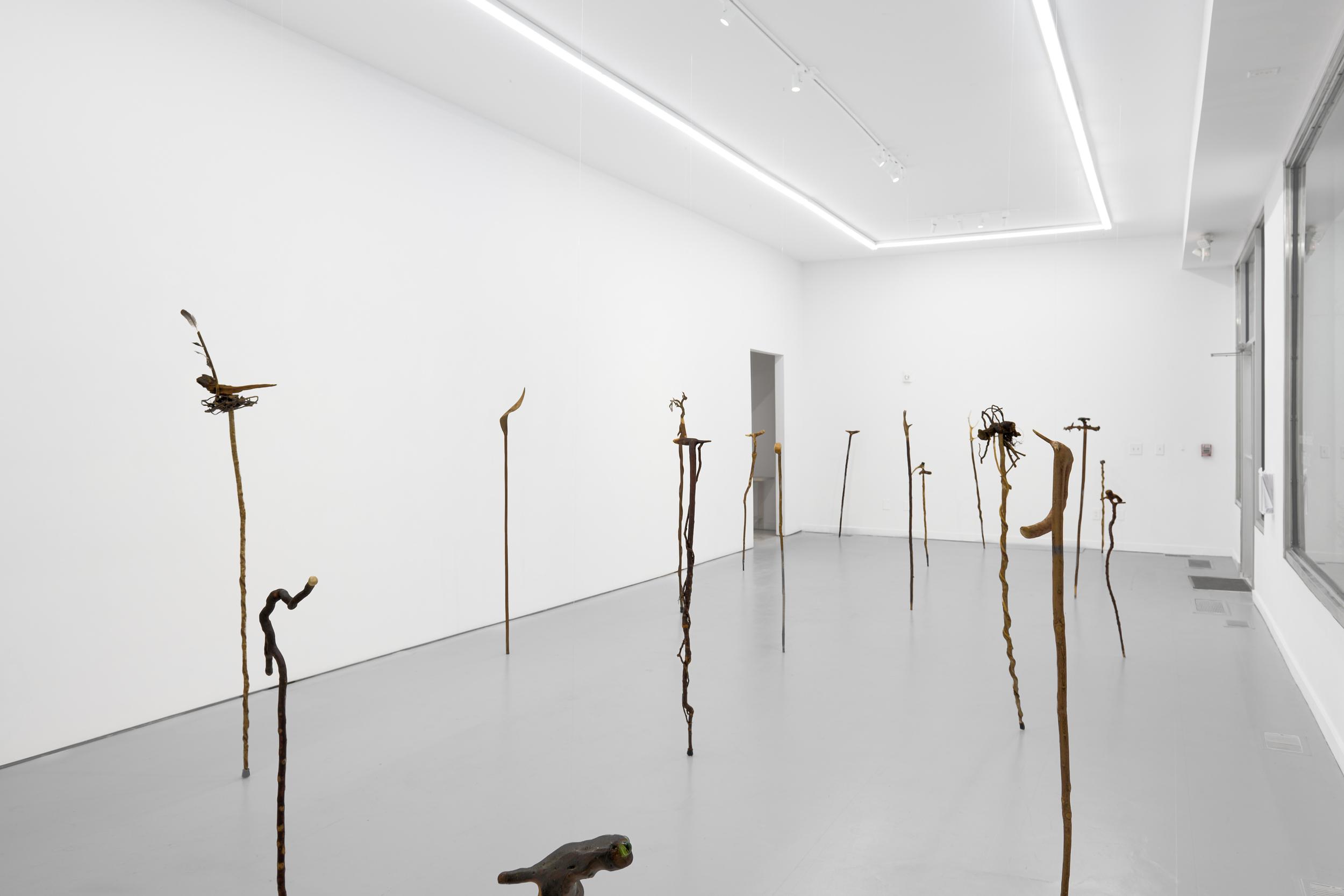


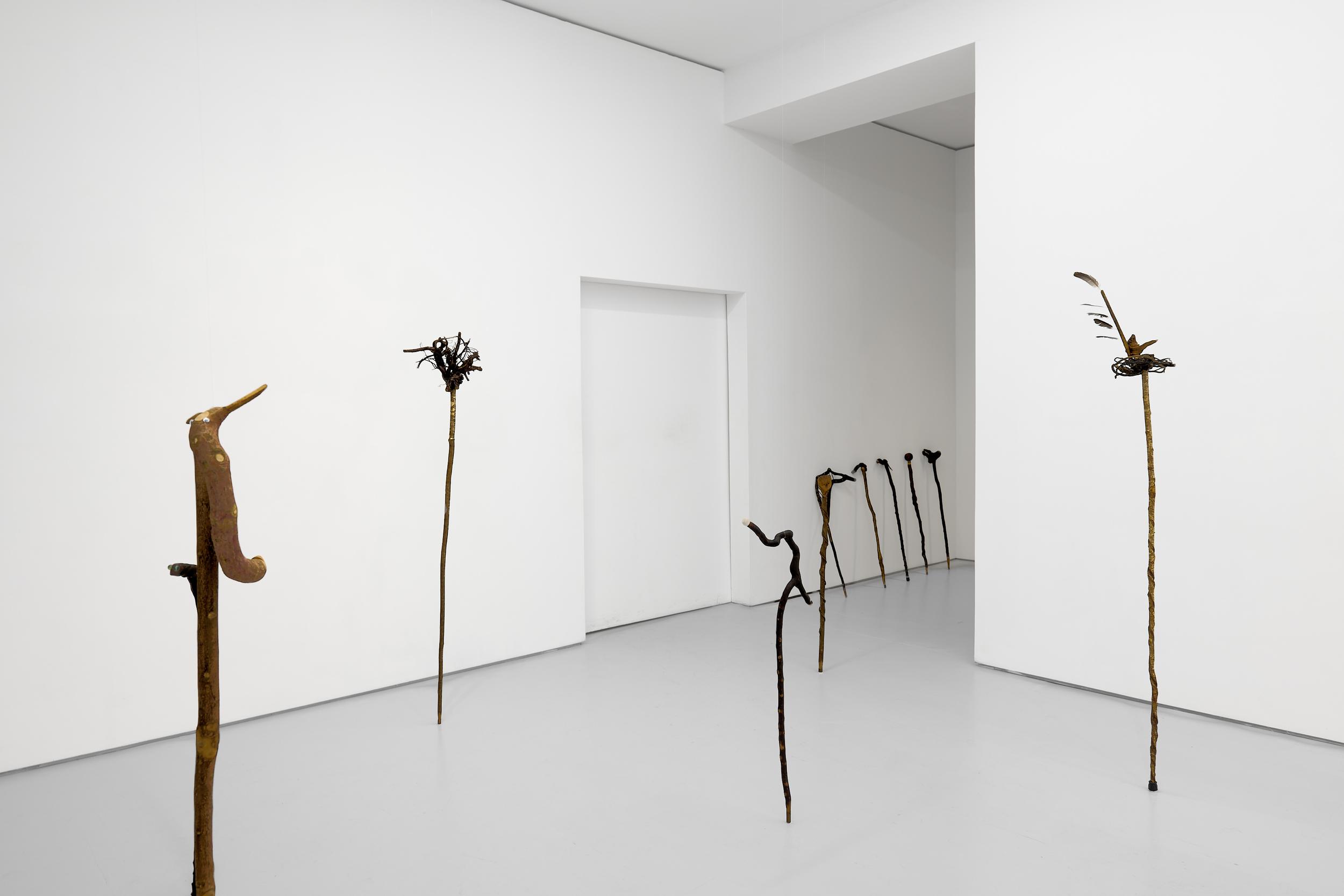

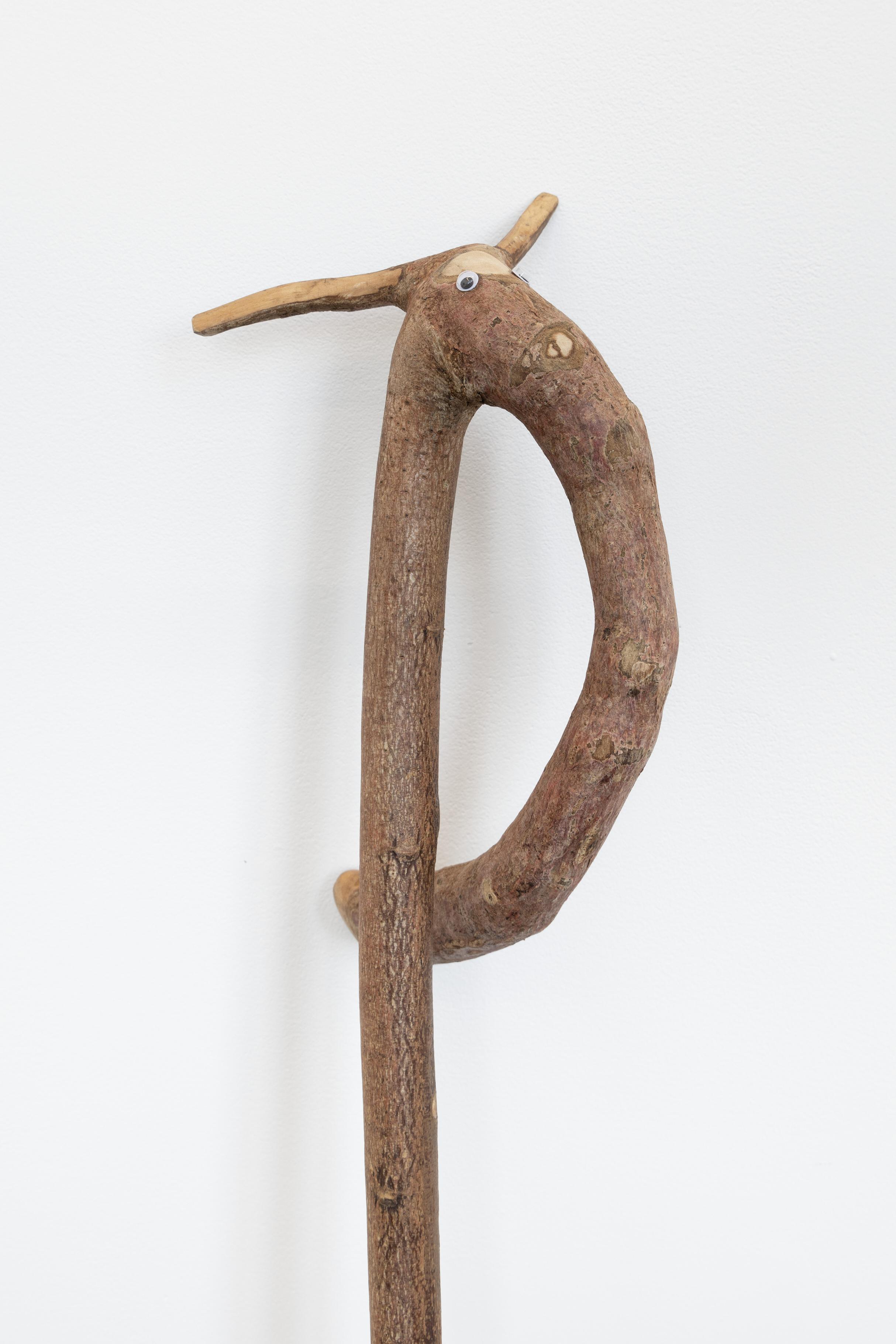

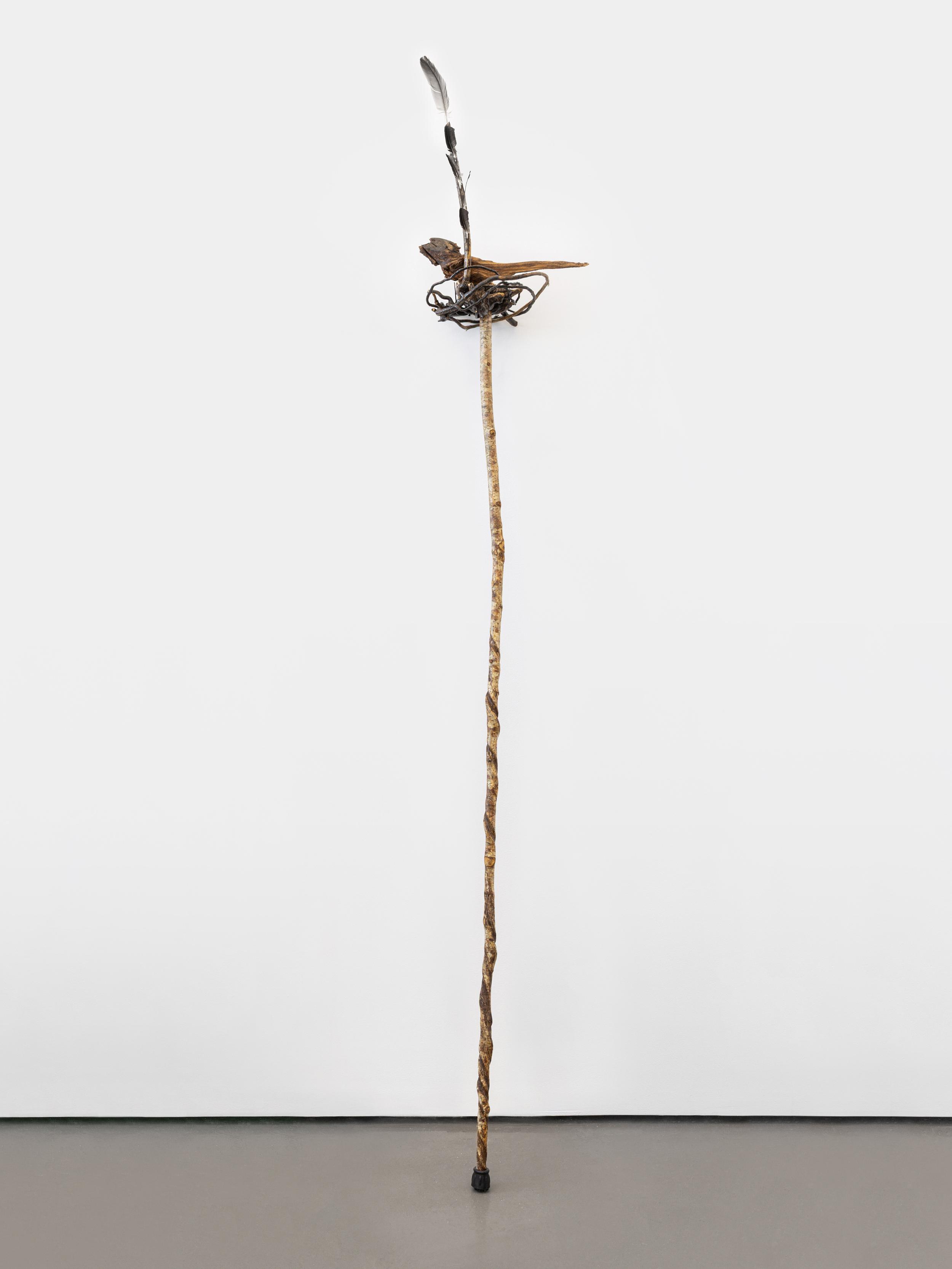

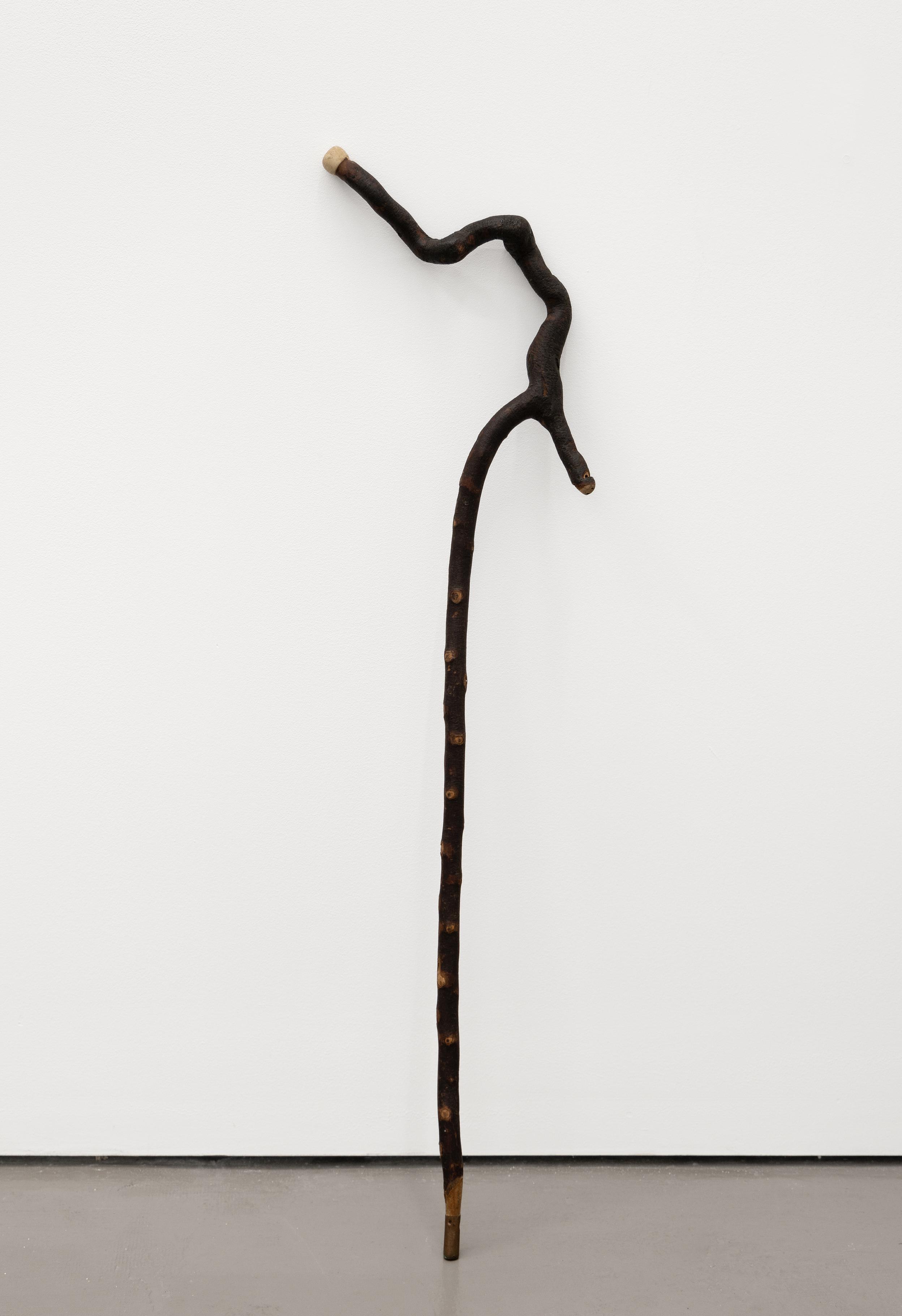

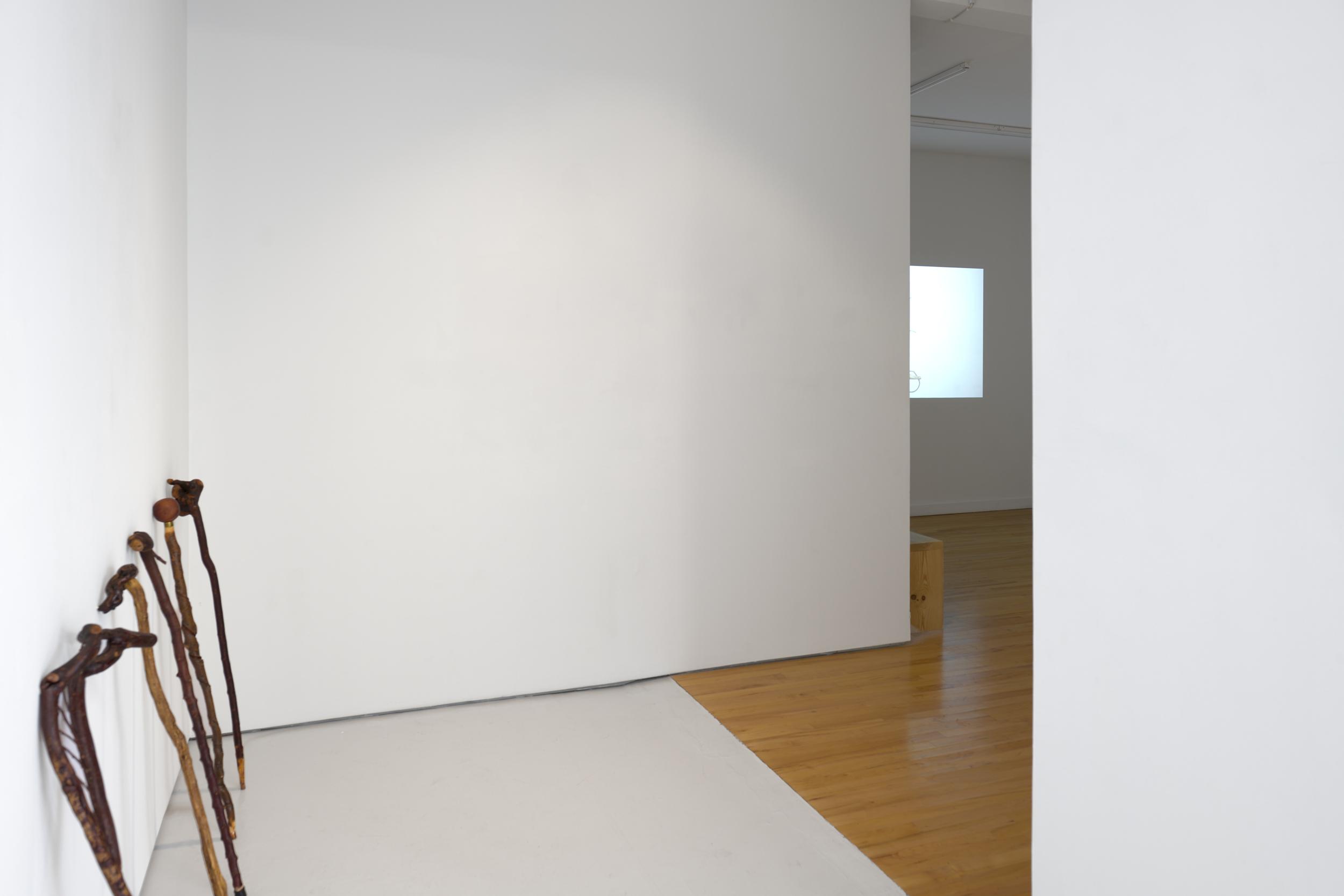

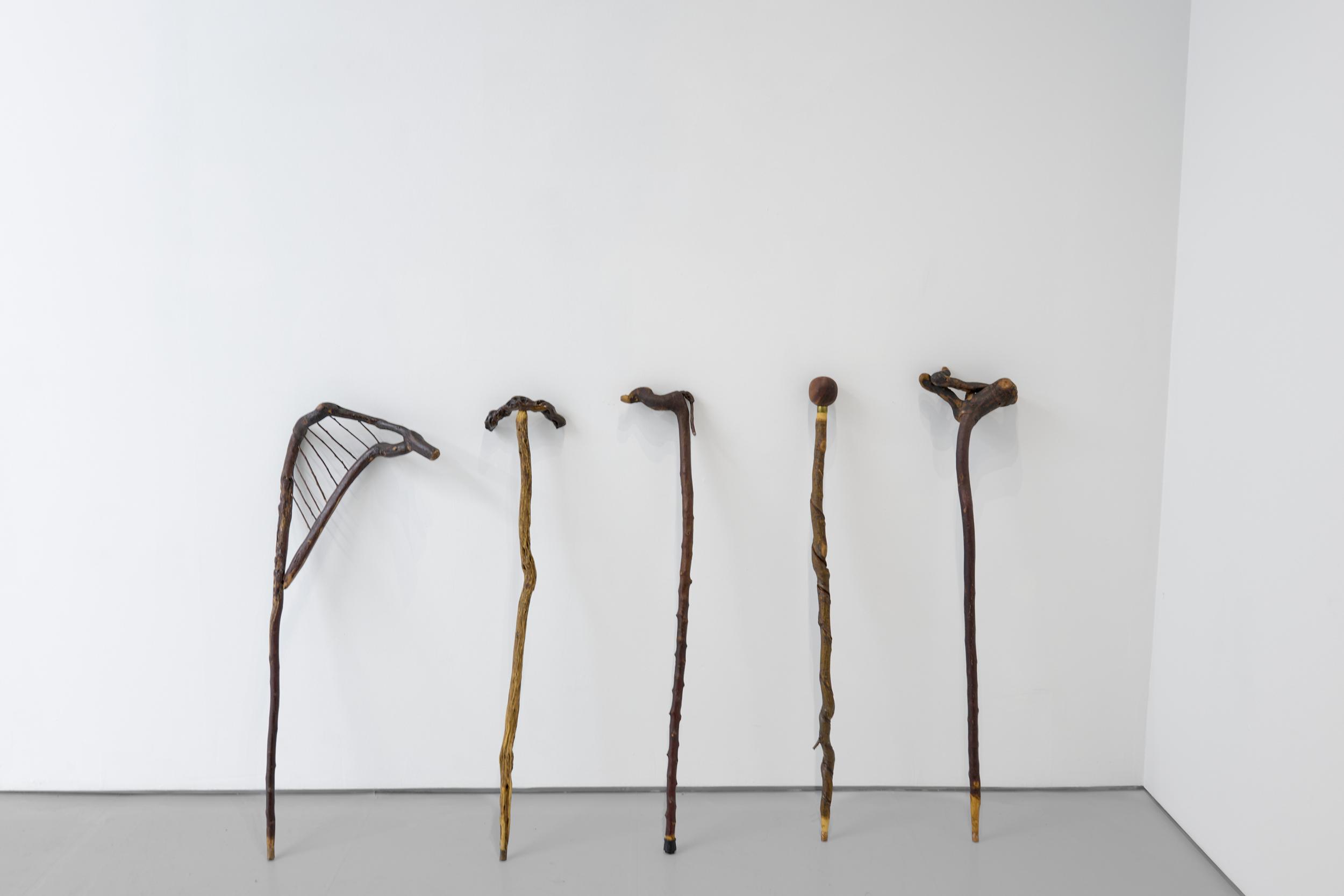

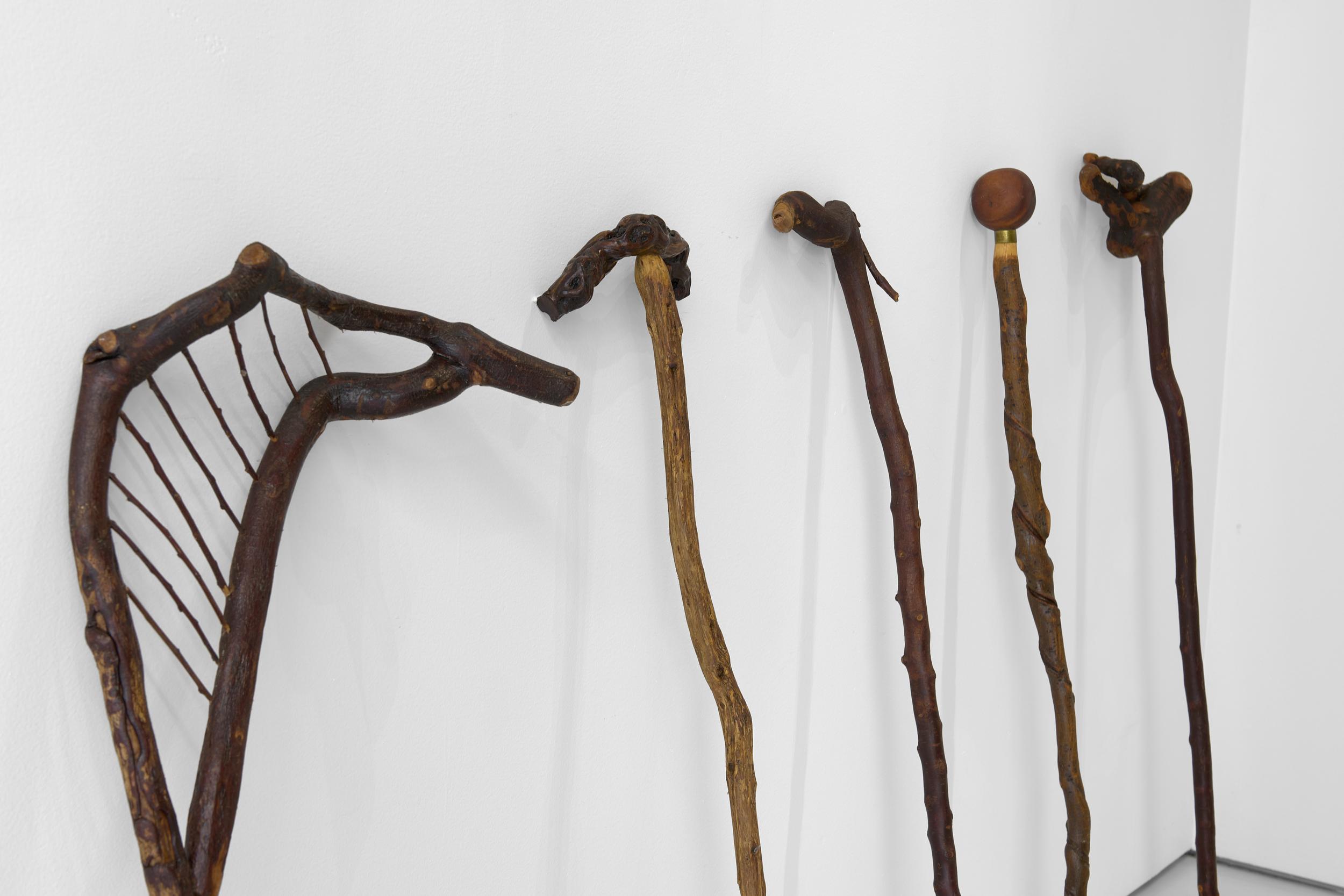

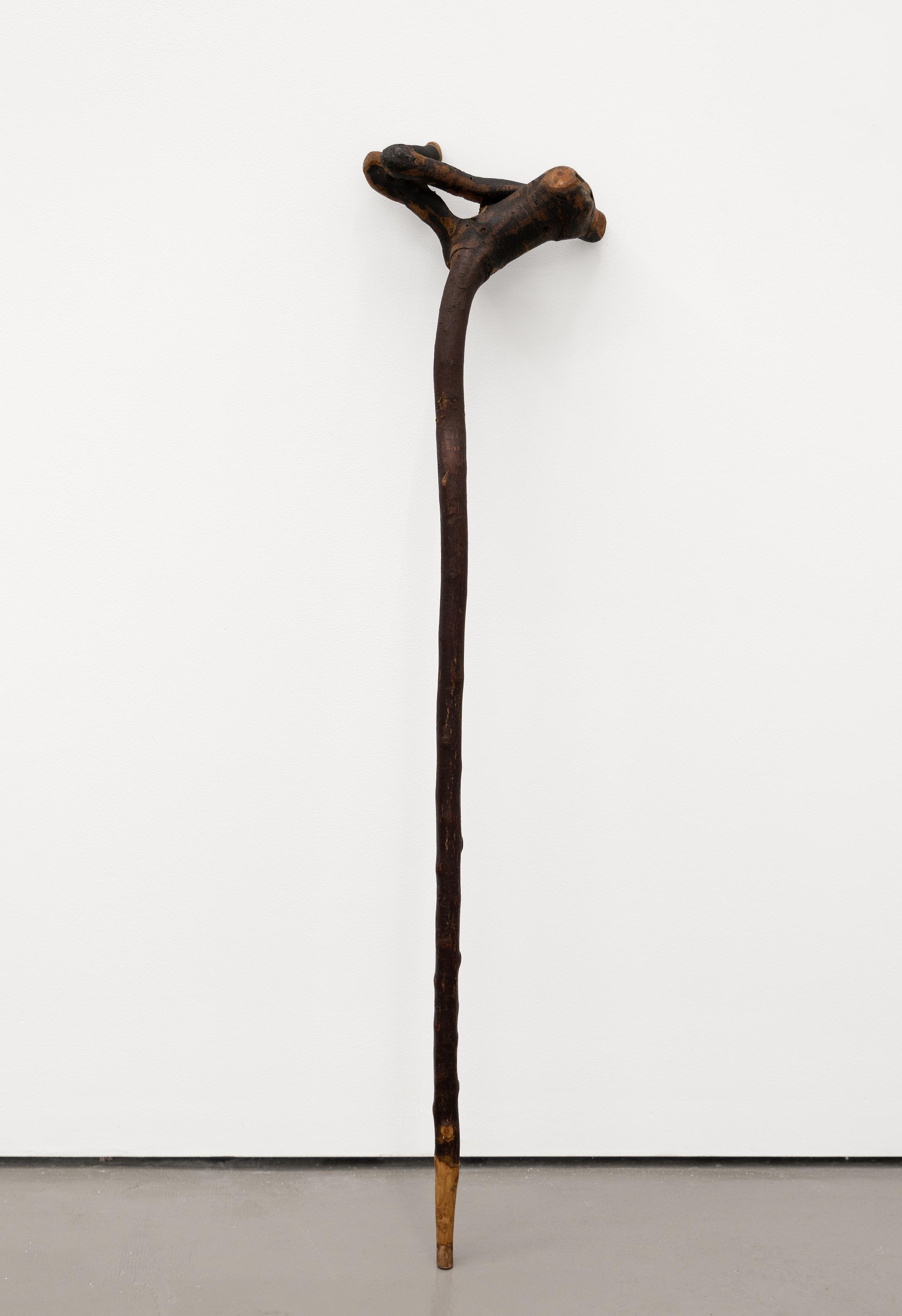


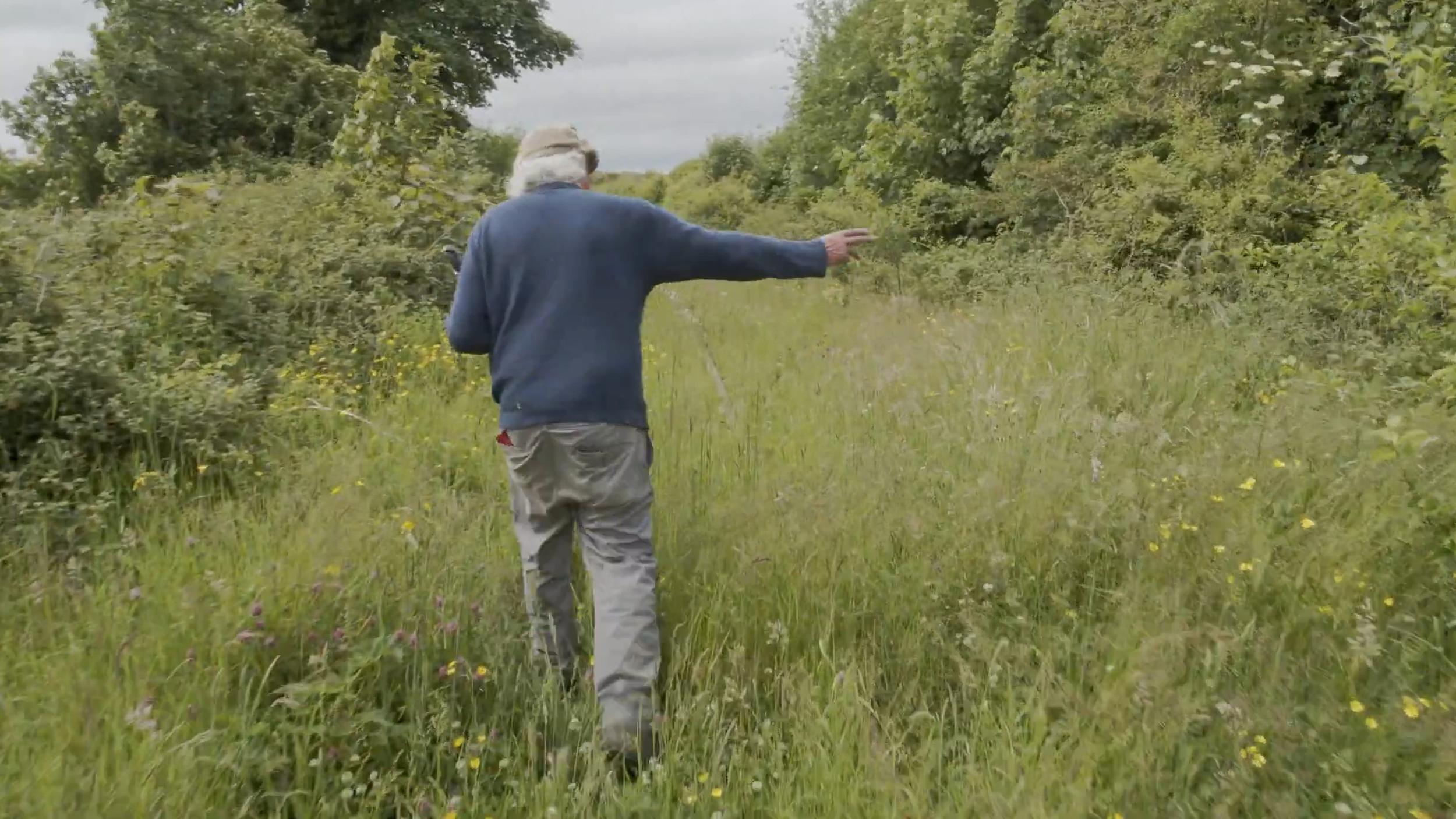


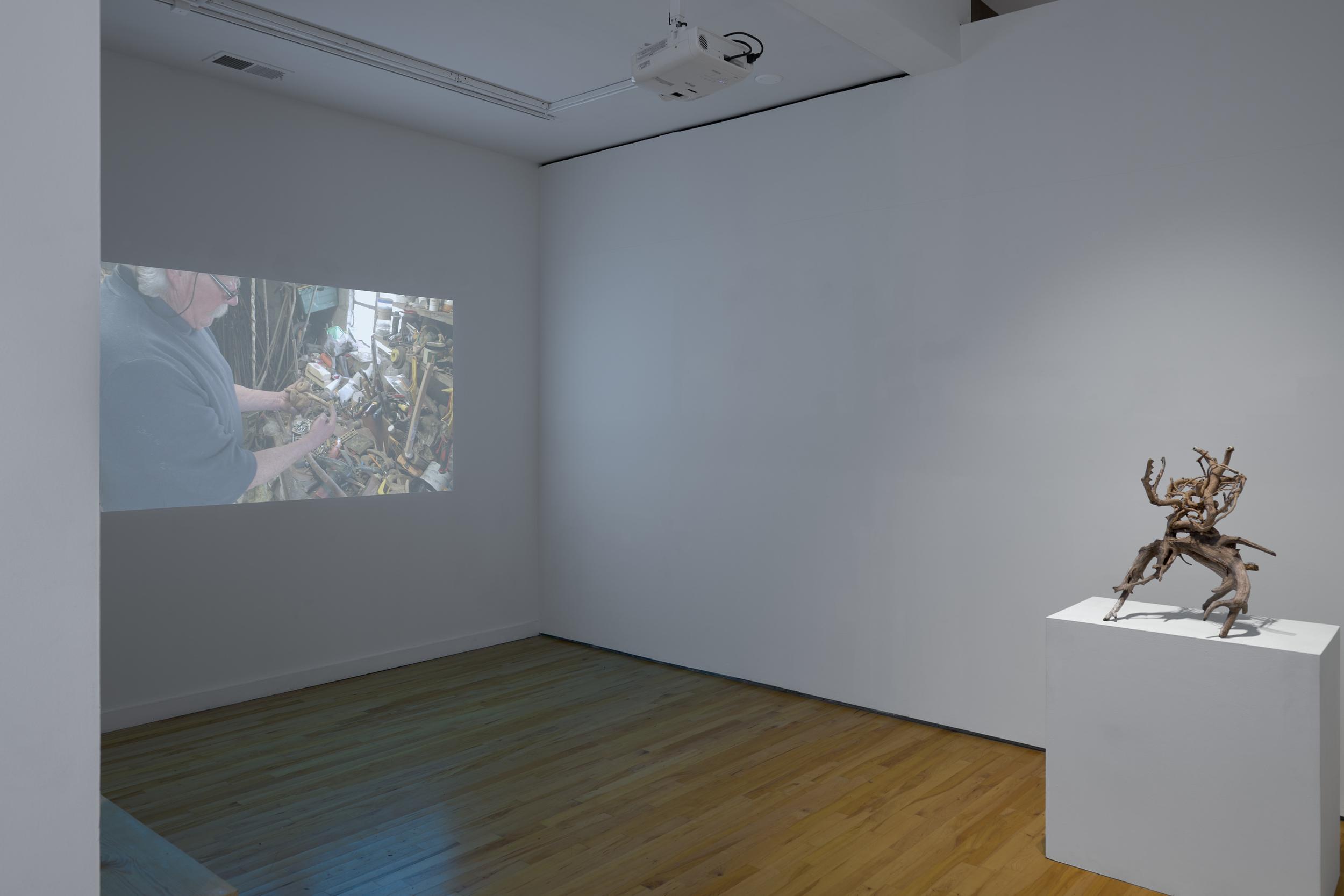

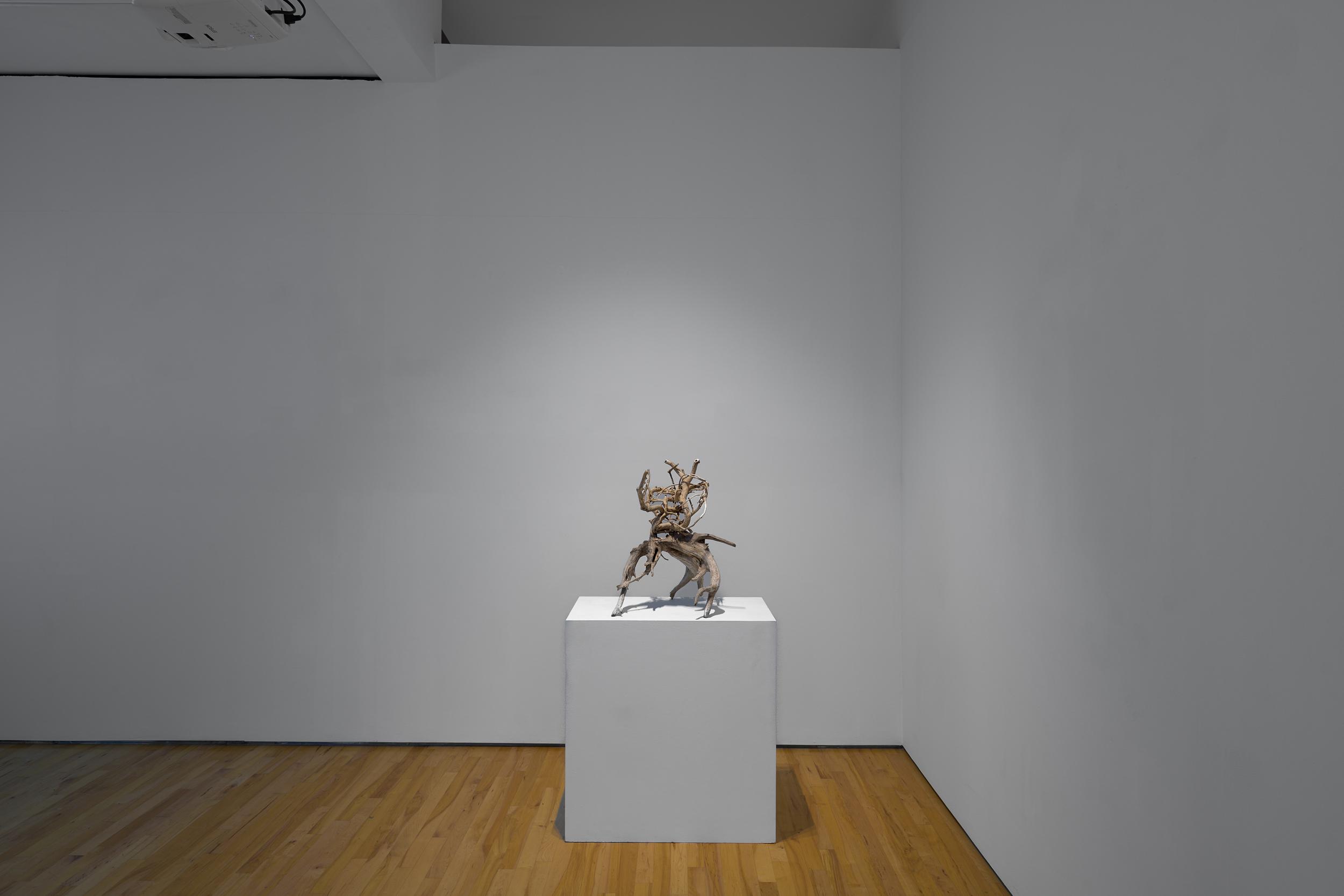

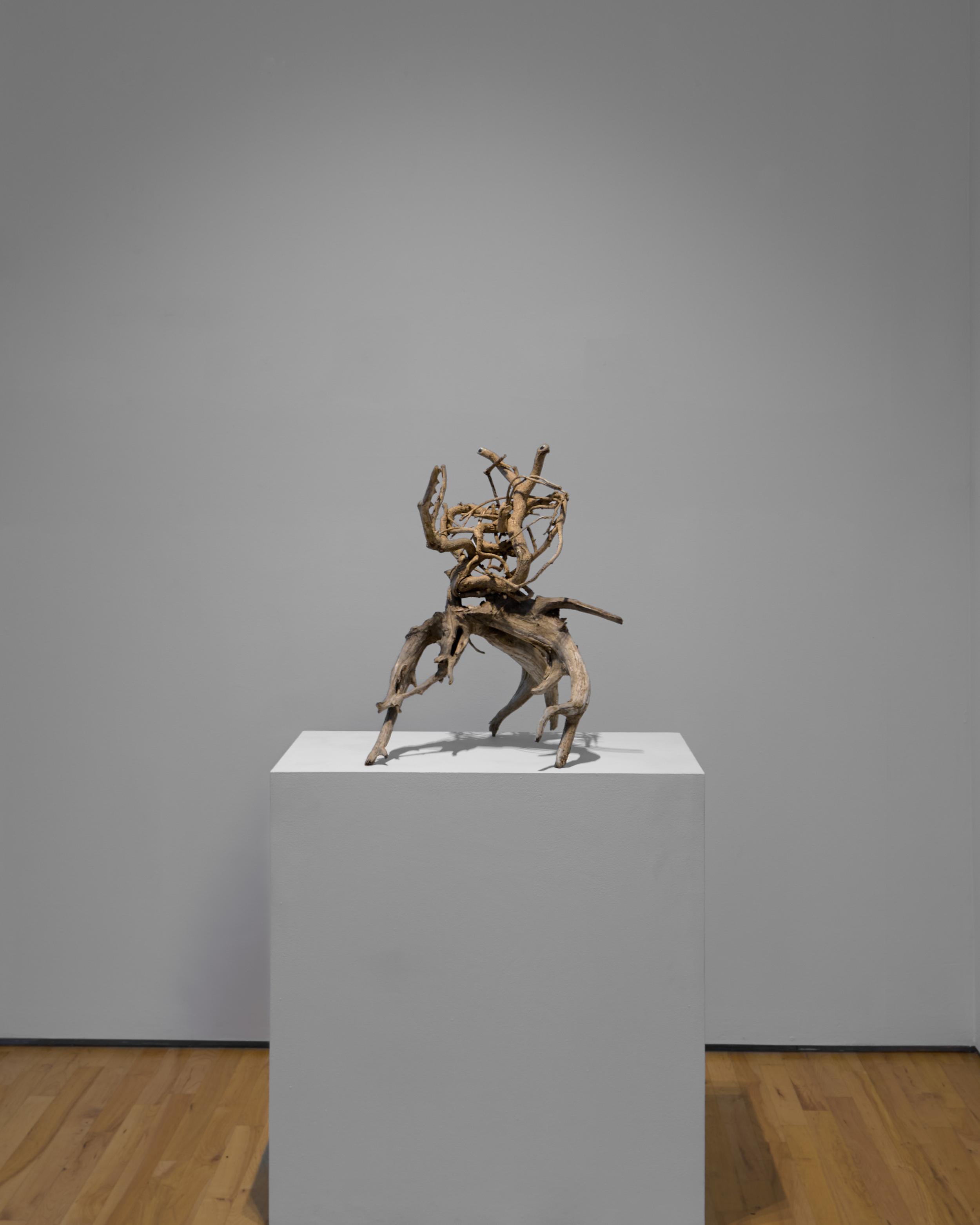

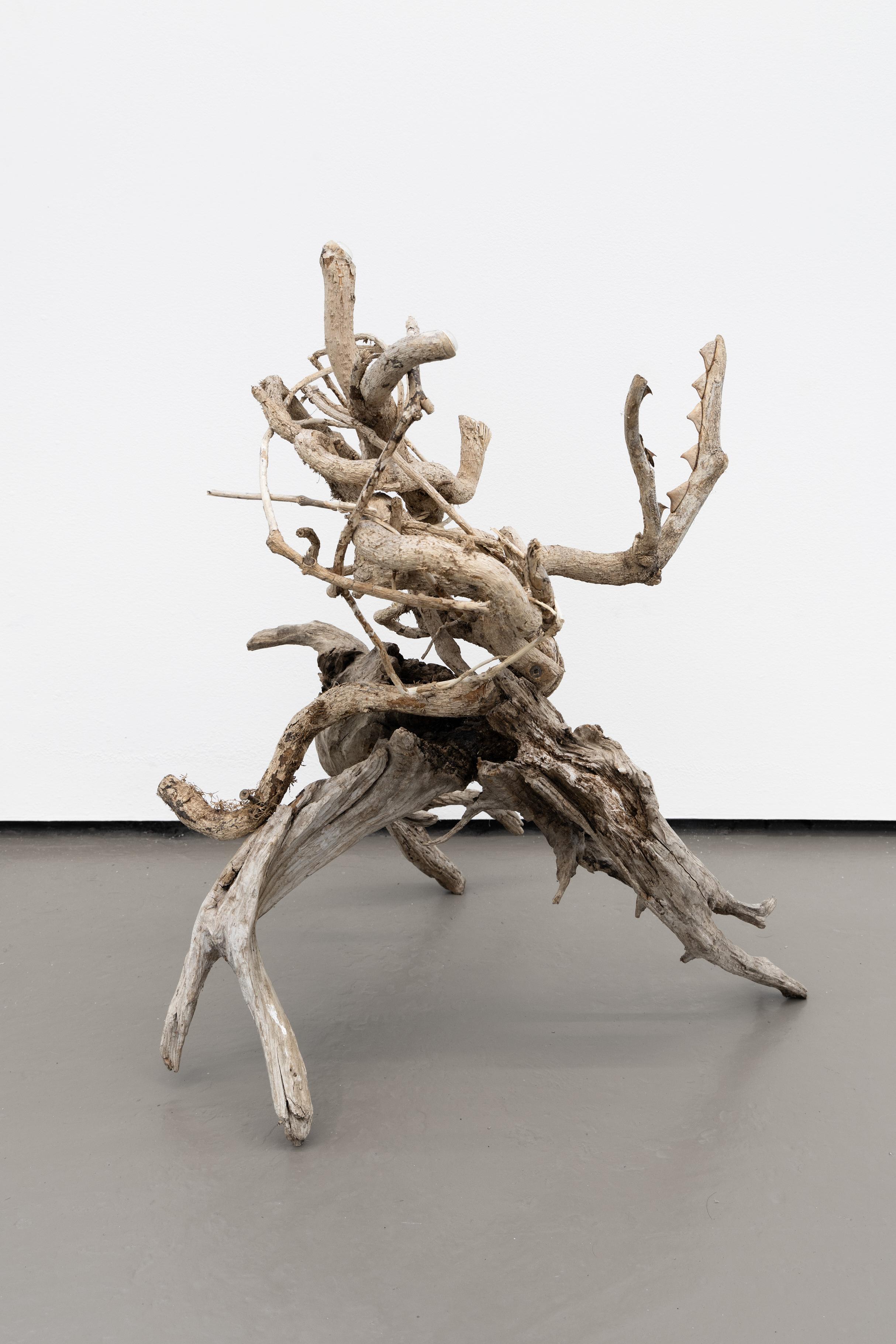
Sa Choill (pronounced roughly “suh khill”) translates from Irish as “in the woods” or “in the forest.” The title speaks not simply to entering the woods, but to knowing them through time spent within them. A branch, root, or thorn is encountered first for what it is, but within its bends and irregularities another form might reveal itself: an animal, a face, a gesture, or something less easily named. Sa Choill describes this state of being among the woods long enough to notice something special already there.
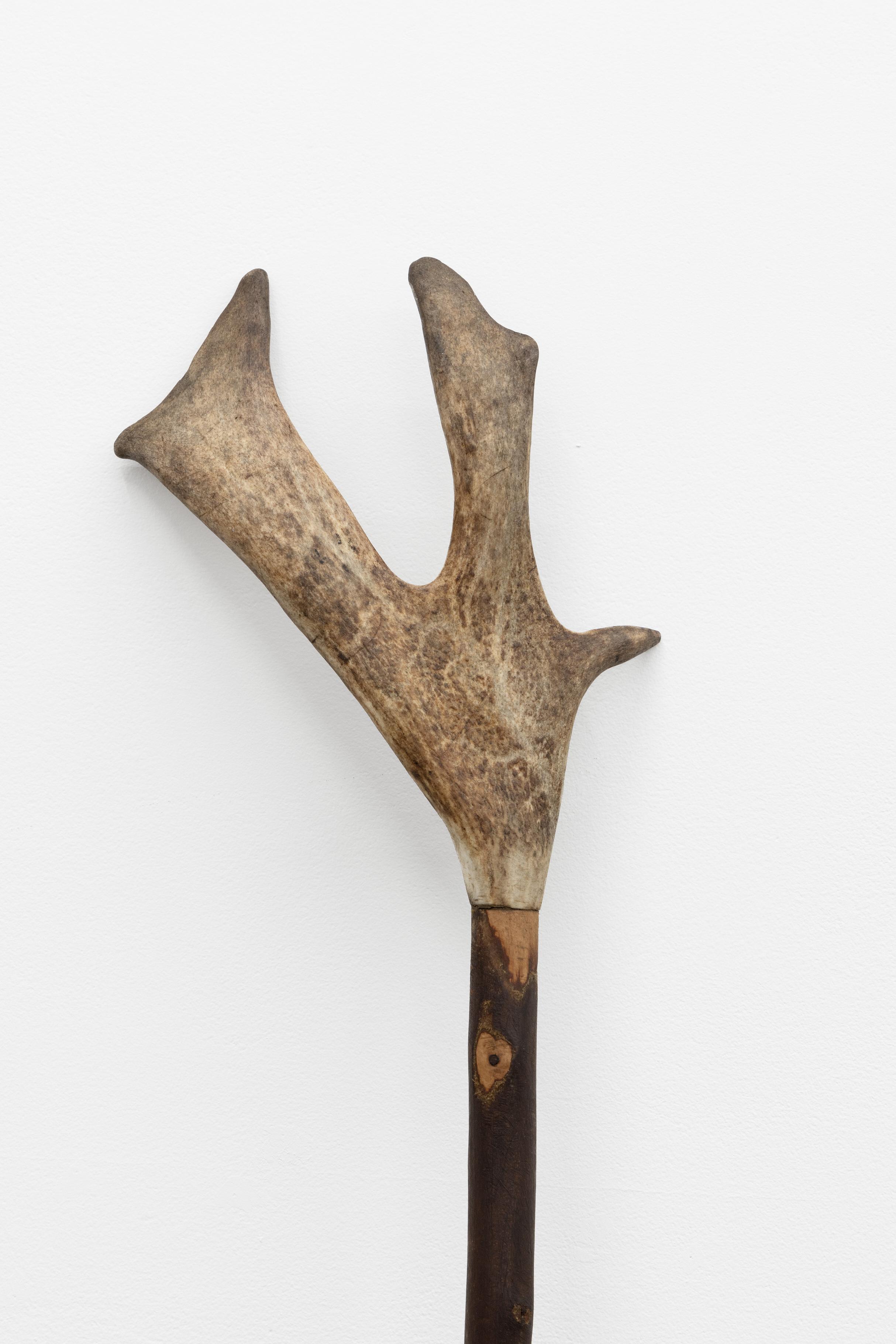
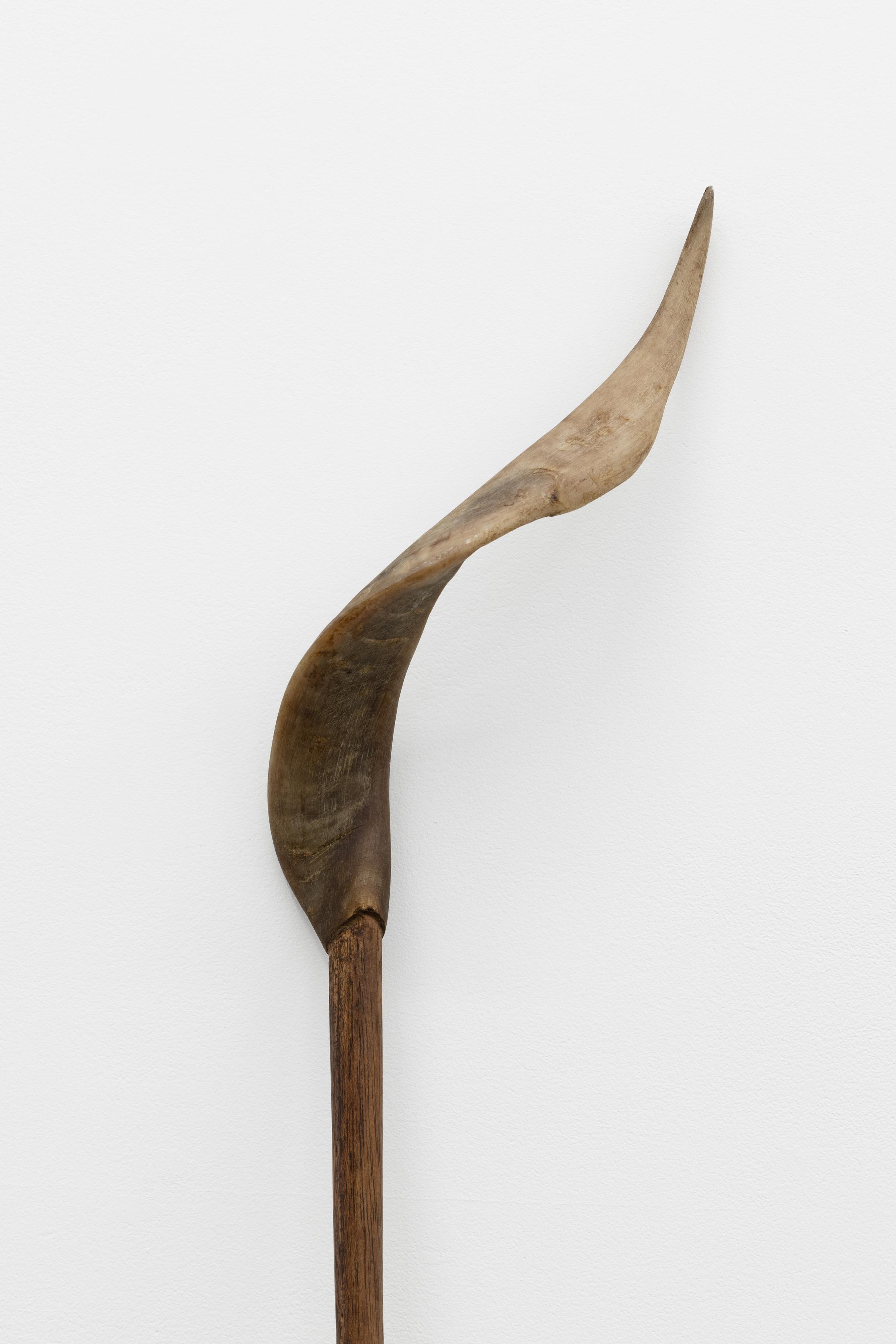
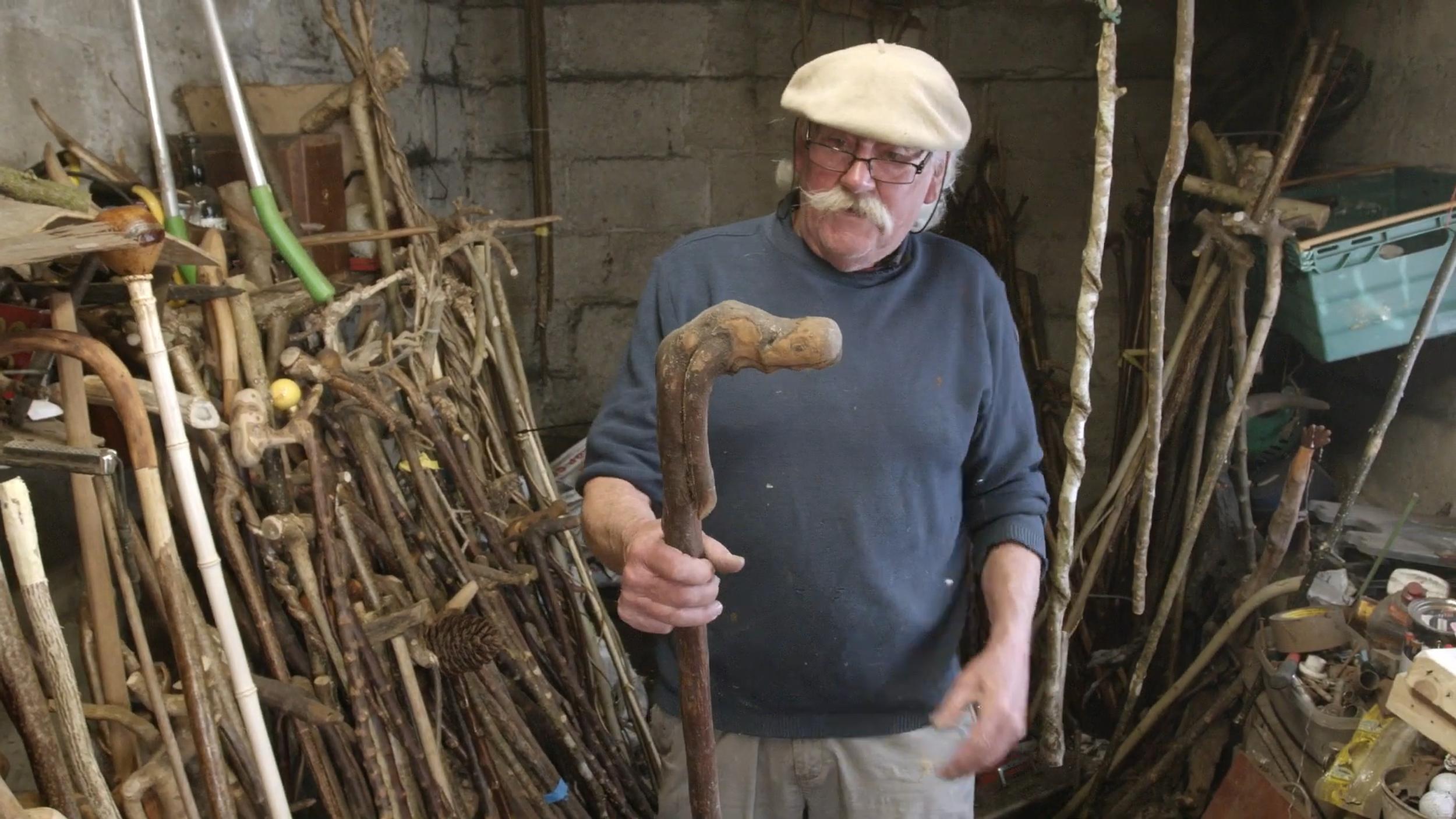
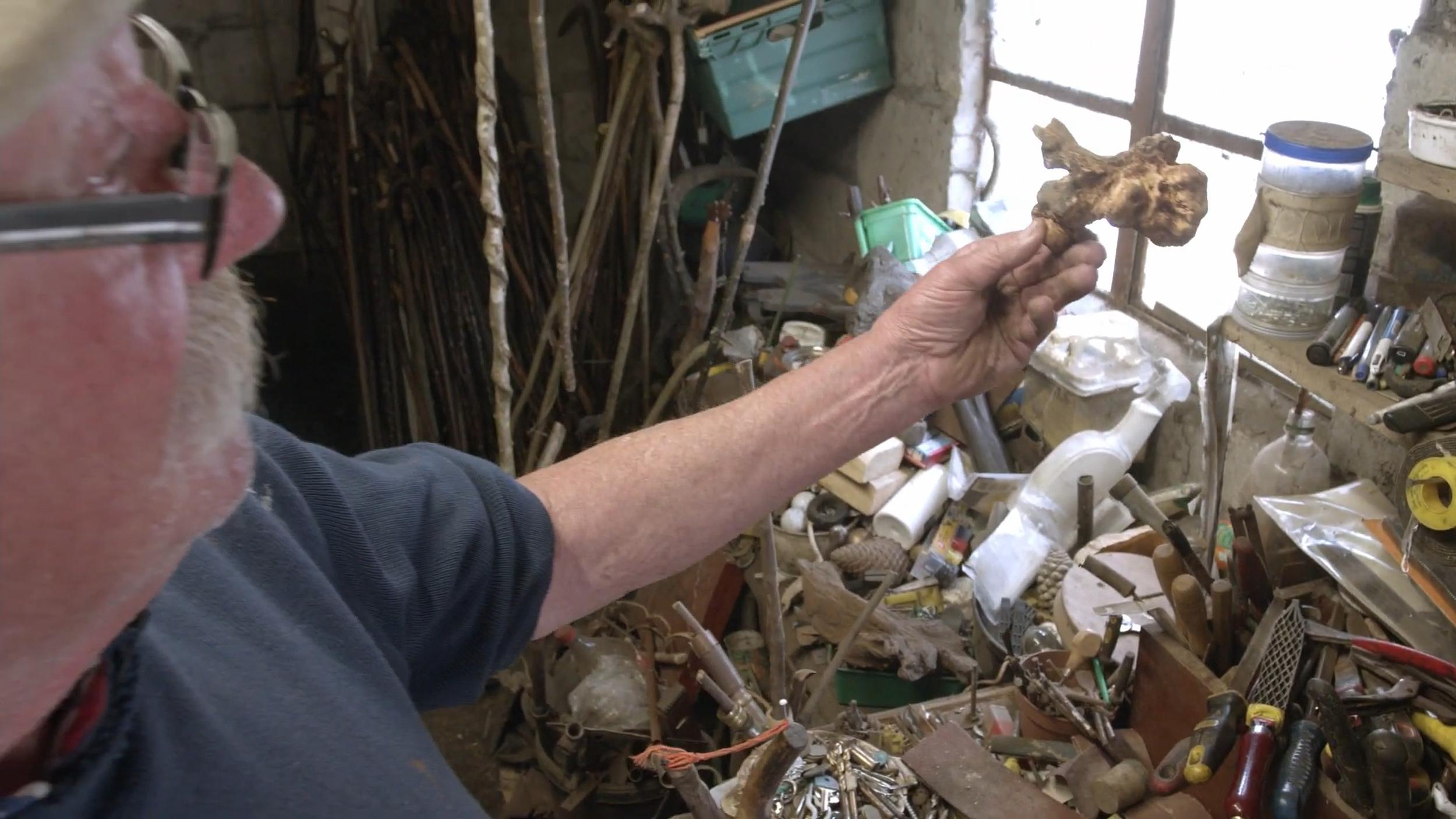
Barron’s making begins with this act of recognition. He gathers hazel, blackthorn, briar, ash, gorse, and other materials from the landscape around Askeaton, responding to the peculiarities of their growth. A knot becomes an eye, a fork becomes a pair of legs, and the bend of a branch suggests a body. Rather than forcing the material toward a predetermined image, Barron works with what the wood has already begun. His hand is present, but so are weather, growth, accident, and time.
A walking stick begins with a simple gesture: something found is taken up and carried with us. It extends the hand toward the earth, bears our weight, tests the ground ahead, gathers marks, and travels alongside the body. In Barron’s hands, this familiar object becomes a place for storytelling, humor, observation, and invention.
There is something fitting about encountering these works here in Ohio, in proximity to Appalachia. Hundreds of millions of years ago, before the Atlantic existed, these mountains were part of ancient mountain systems connected to those whose remnants remain in Ireland and Scotland. Walking and fly fishing through Appalachia, I often return to this idea. I think about people crossing an ocean and finding themselves within a landscape that was new, yet connected in deep time to the one they had left behind. Something foreign, but strangely familiar.
Barron’s works have made their own crossing from Ireland to Ohio. They ask us to look closely at what is already there: a face in a tree, an animal in a root, a story inside a branch.
You only have to walk long enough to find it.
- James MS
Seanie Barron (b. 1948, Askeaton, Ireland) is a storyteller (seanchaí) and stick-maker who lives and works in his hometown of Askeaton, County Limerick. For much of his life, Barron has practiced these longstanding Irish traditions alongside his work as a building labourer, developing an idiosyncratic body of walking sticks, or shillelaghs, that move between functional objects, sculpture, and storytelling.
Barron harvests branches, vines, and roots from the landscape surrounding Askeaton, working with hazel, blackthorn, gorse, briar, holly, ash, horse chestnut, elm, and other locally found materials. Rather than imposing a predetermined form, he responds to the peculiarities already present within each branch or root, recognizing faces, animals, gestures, and other latent forms and drawing them out through carving and assemblage. Shells, peat, animal horn, found plastics, copper, rubber, and other materials are incorporated throughout the works, while some sticks retain practical additions such as whistles and “ticklers” used to hold down wire fences.
Following his retirement, Barron presented his first solo exhibition of walking sticks and wooden sculptures at Askeaton Contemporary Arts in 2014. His work has since been exhibited throughout Ireland, the United Kingdom, and Europe, including Sticks at The Douglas Hyde, Trinity College Dublin, in 2015 and Christian Berst Art Brut, Paris, in 2025. His exhibition Aimsir a Chaillfidh at Good Weather, Chicago, marked the first presentation of his work in the United States.
No Place Gallery would like to personally thank Haynes Riley and Hunter Riley of Good Weather, Chicago/Little Rock, along with Michele Horrigan and Sean Lynch of Askeaton Contemporary Arts for their generous support and collaboration in making this exhibition possible.